
How to design an offshore race boat - it’s a two horse race…

…It’s IRC vs ORC — Two Design Philosophies, Two Boats, Two Truths
Here’s a detailed view of how rating rules shape yachts, speed, and outcomes
There are two ways to design a racing yacht
One is to design a fast boat.
The other is to design a boat that can be
proven to be fast.
That is the divide between IRC and ORC.
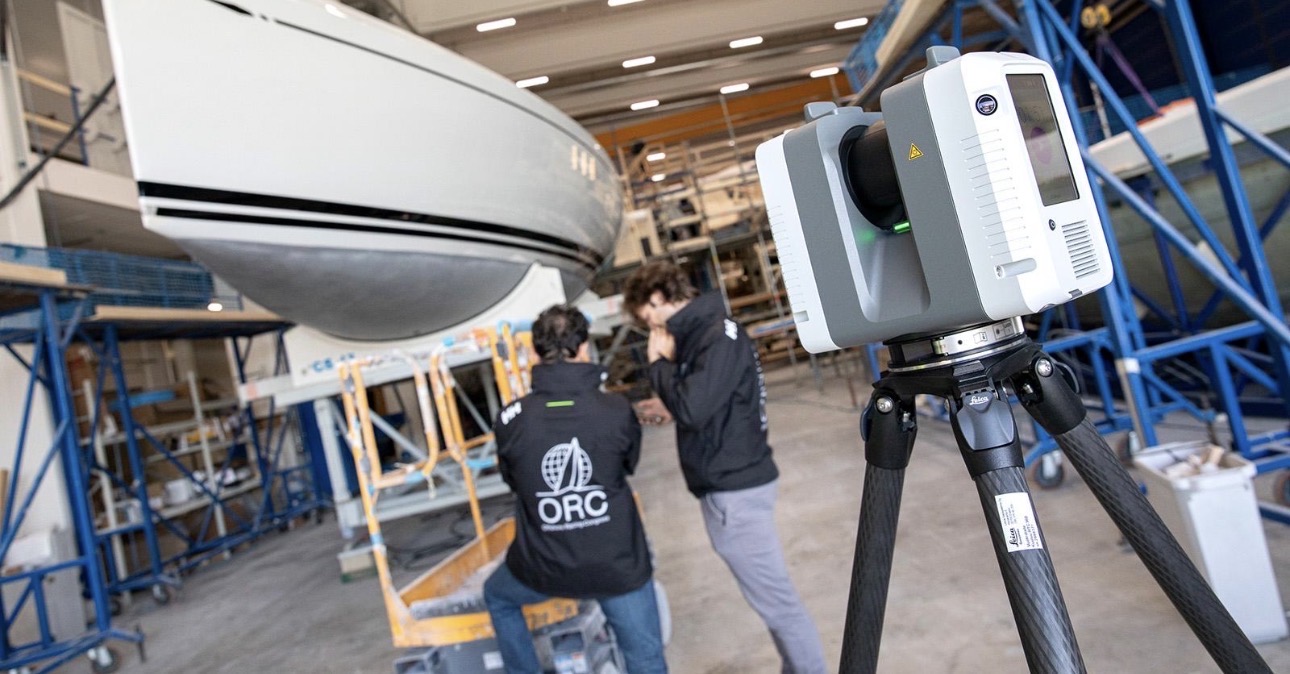
Both systems work. Both produce winners.
But they arrive there through entirely different logic—and that logic shapes everything:
• Hull form
• Stability
• Sail plan
• And ultimately… the polar curve
This is the Moment You Realise the Rules Are the Design
At some point, every designer—and every serious skipper—realises this:
You are not designing from intrinsic physics and hydrodynamics
You are designing to a rule
But today for a fast offshore yacht there are:
Two Rule Families, One Problem
Modern offshore handicap racing is built on two distinct lineages solving the same problem:
Both try to let different boats race fairly under a handicap system
Key insight
ORC is an attempt to replace approximation with physics
The IRC is more about Simplicity
But IRC came from frustration.
By the early 1980s:
• IOR had become distorted
• Campaign costs were rising
• Fleets were fragmenting
So RORC and UNCL created CHS (1984) which evolved into IRC (1999–2000)
Key insight
IRC is not trying to model perfection.
It is trying to prevent distortion.
ORC IRC
Measures everything Measures selectively
Publishes polars Publishes a number
Physics-based Empirical
Optimisable Resists optimisation
The one-line difference
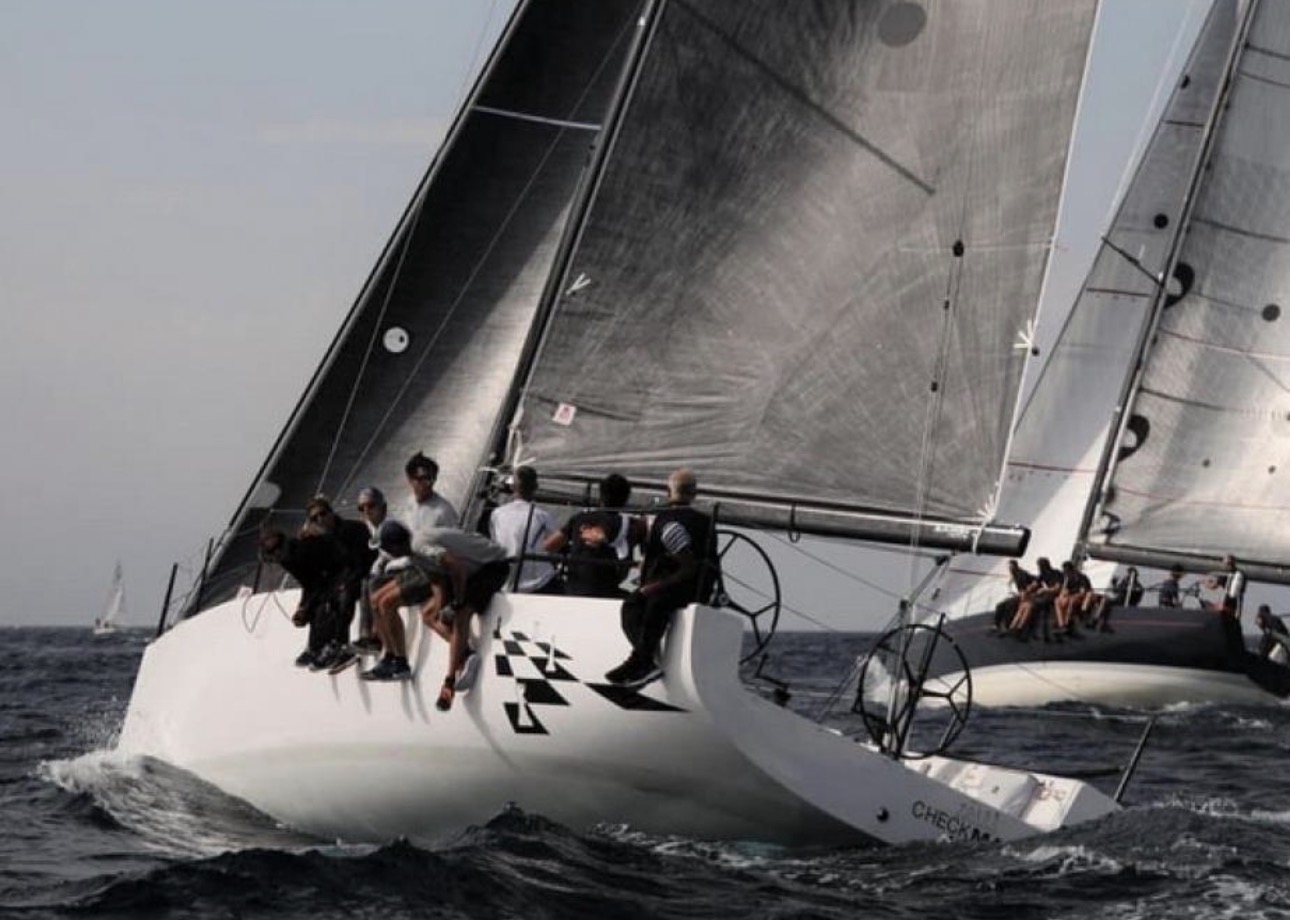
ORC trusts the model
IRC trusts the outcome
Where It Becomes Real — The Polar Curve
If the rule is the theory…
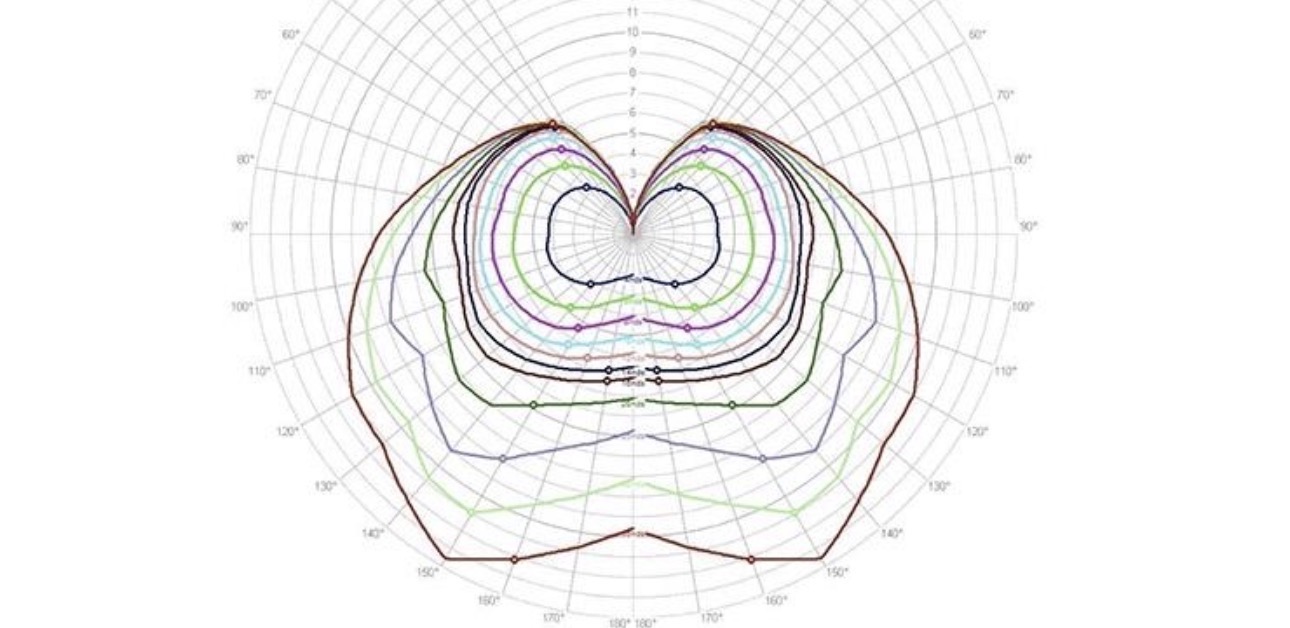
The polar diagram is the truth.
It tells you:
• Where the boat is fast
• Where it is vulnerable
• Where it wants to live
The Only thing That Matters
VMG (Velocity made good)
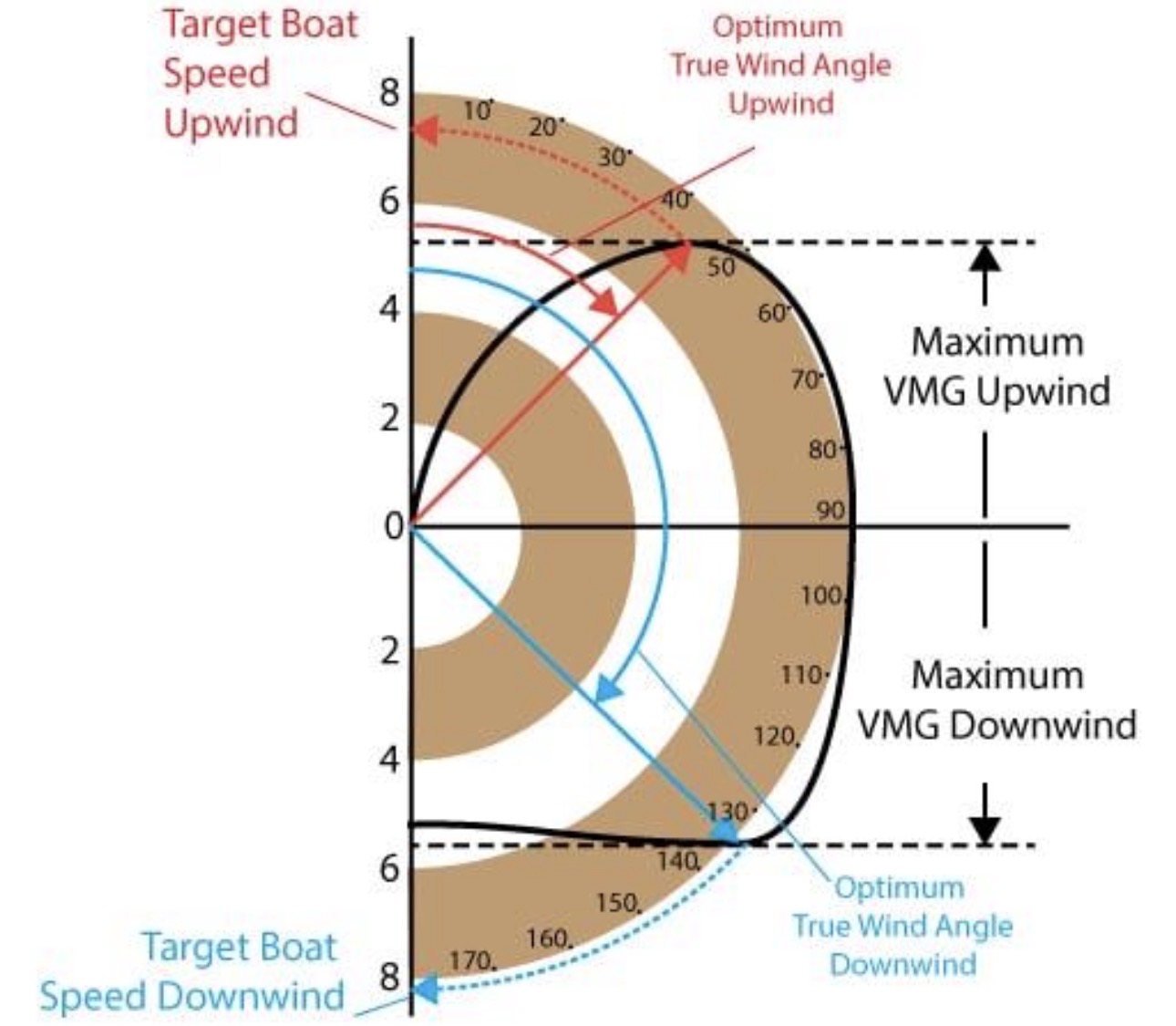
Everything reduces to this.
Not speed—effective speed
What ORC Gives You
• Full polars
• Target speeds
• Defined performance zone
What IRC Withholds
• polars only created by measurement
• No roadmap
• No obvious optimisation
Critical insight
An ORC boat is designed to hit its numbers.
An IRC boat is designed to find the fastest numbers
The Boats That Tell the Story
JPK 1180 — IRC Offshore Weapon
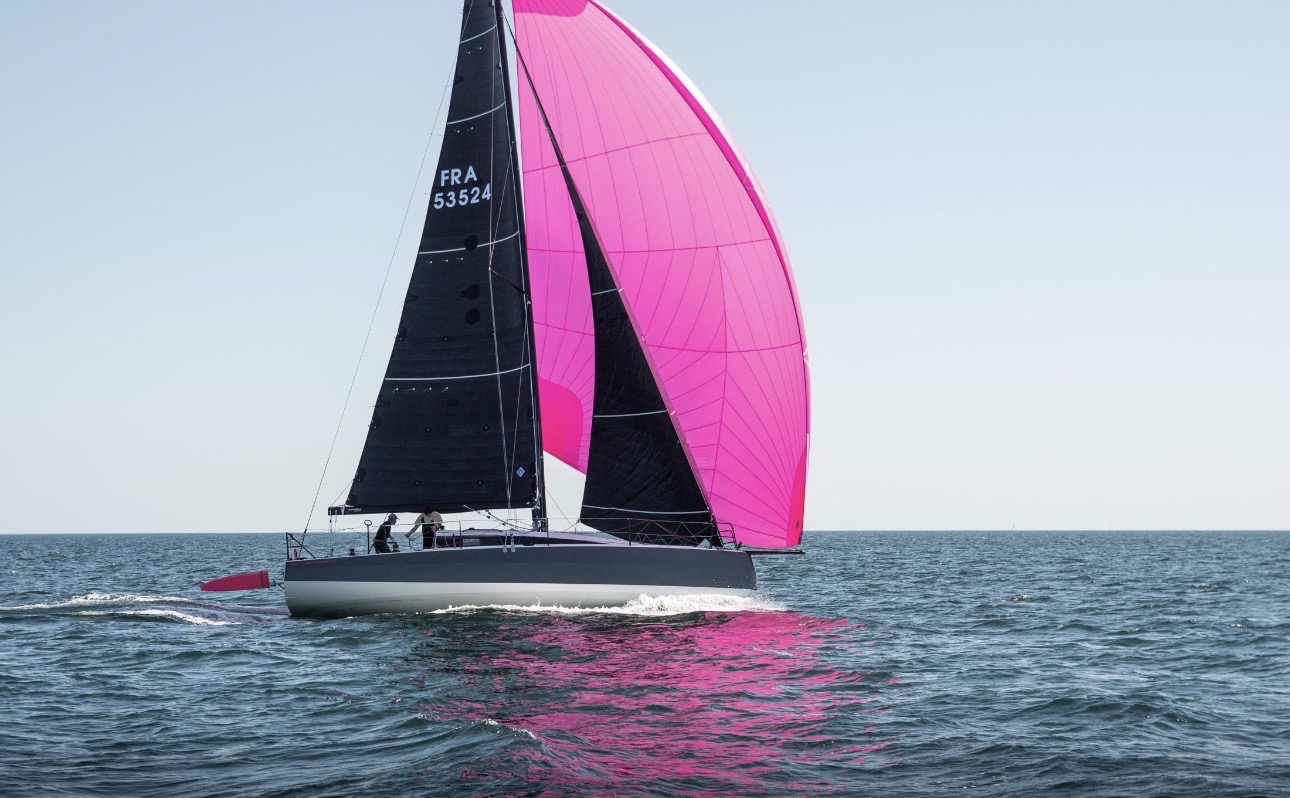
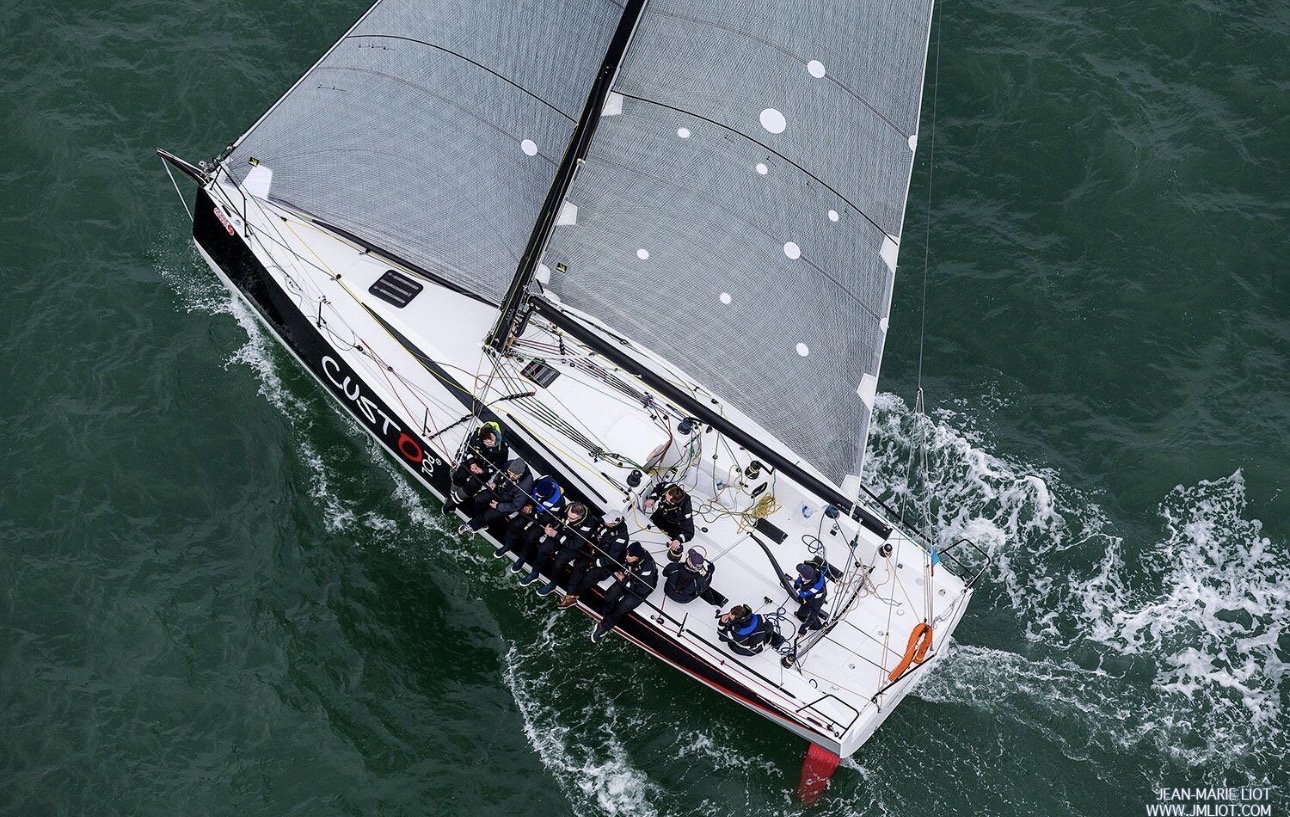
Powerful, forgiving
• Offshore biased
• Wide performance envelope
Sun Fast 3600 — The Neutral Platform
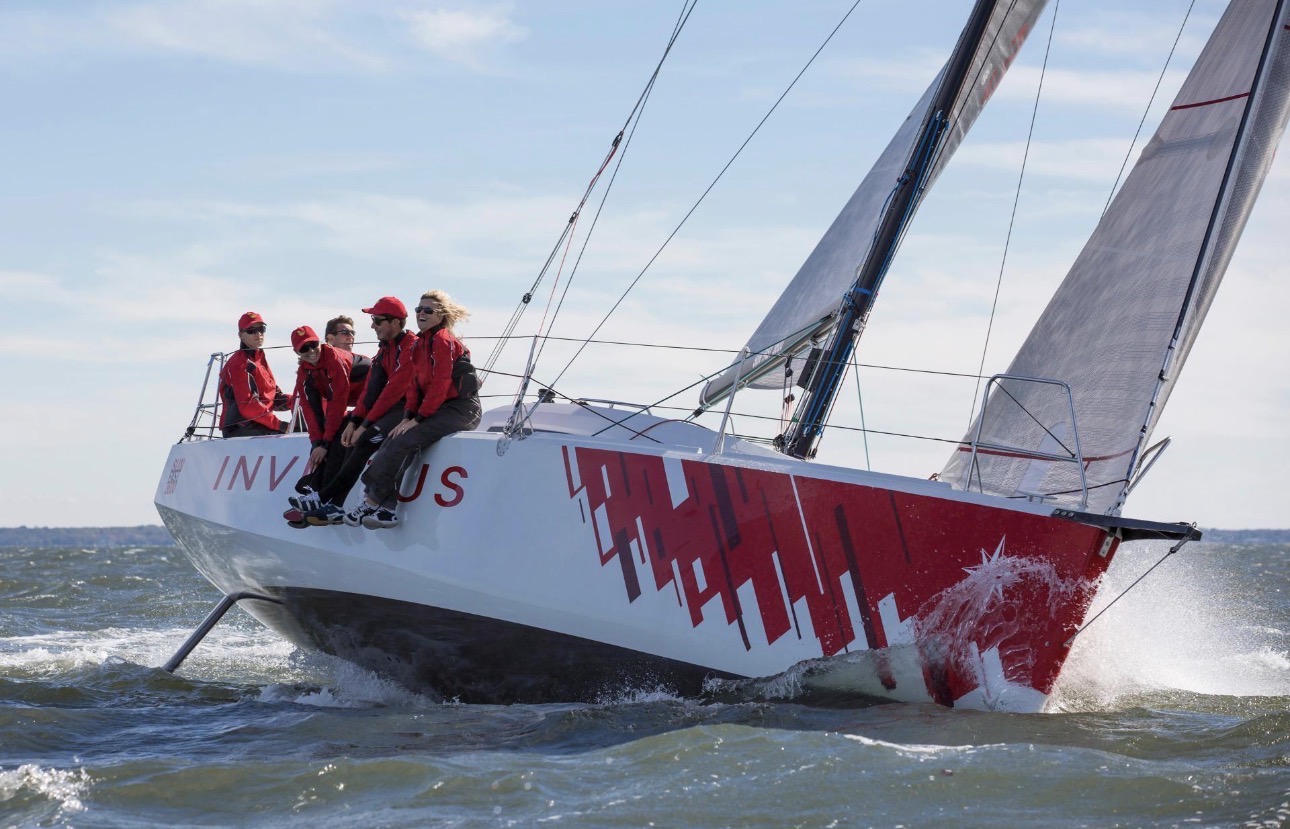
• Control-driven
• Rule-agnostic
• Performs everywhere
XR41 — ORC Exploit
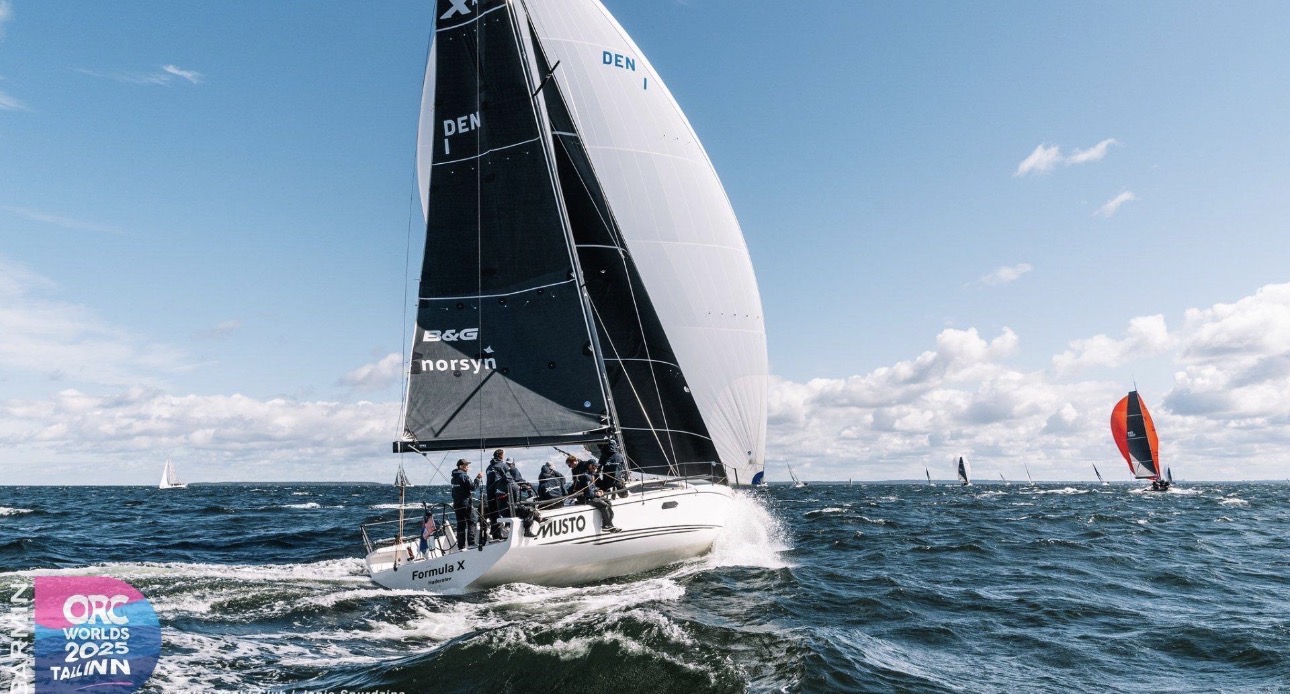
• Designed through VPP
• Exploits model behaviour
• Highly angle-sensitive
Ker 40 — The Balance Point
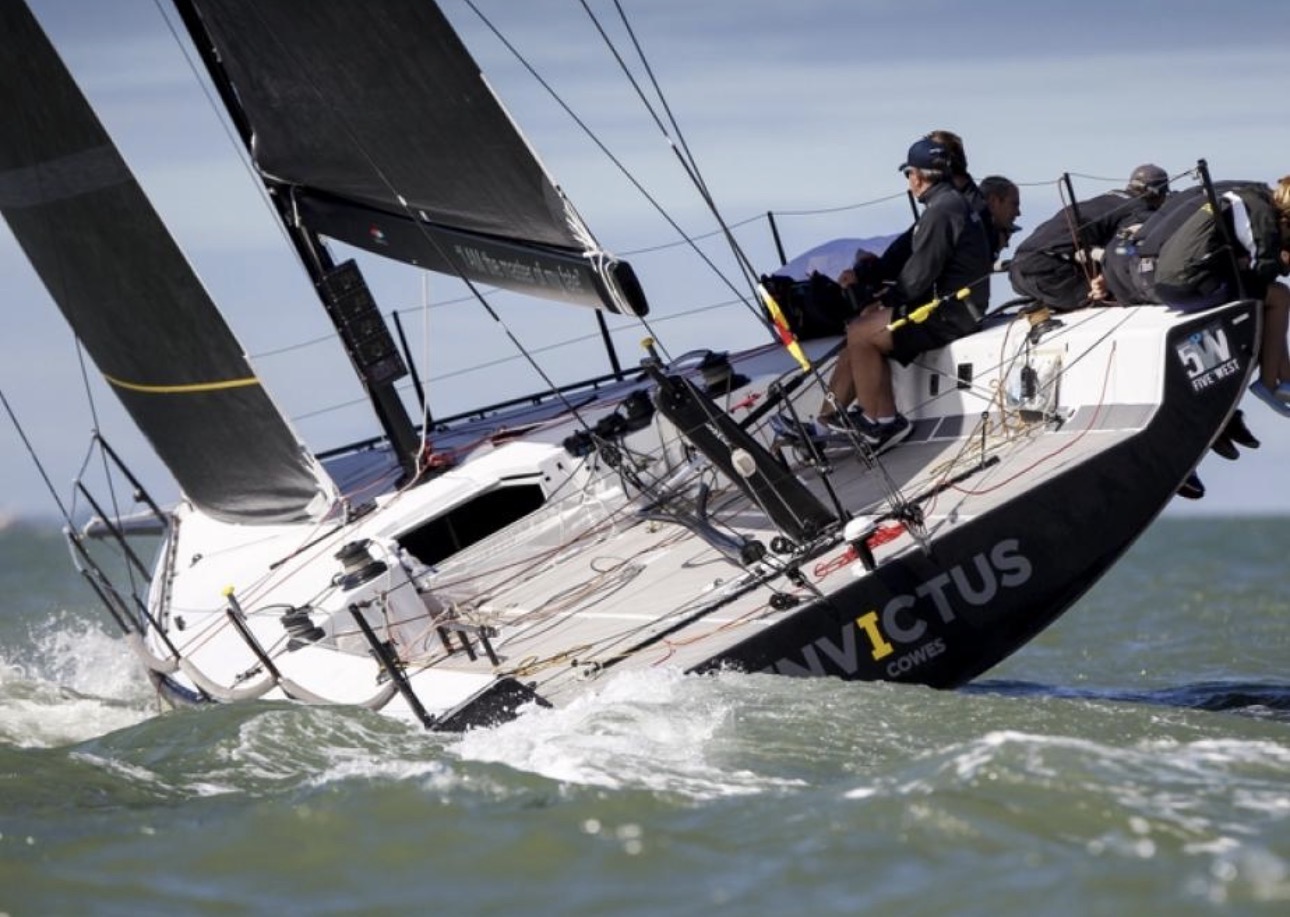
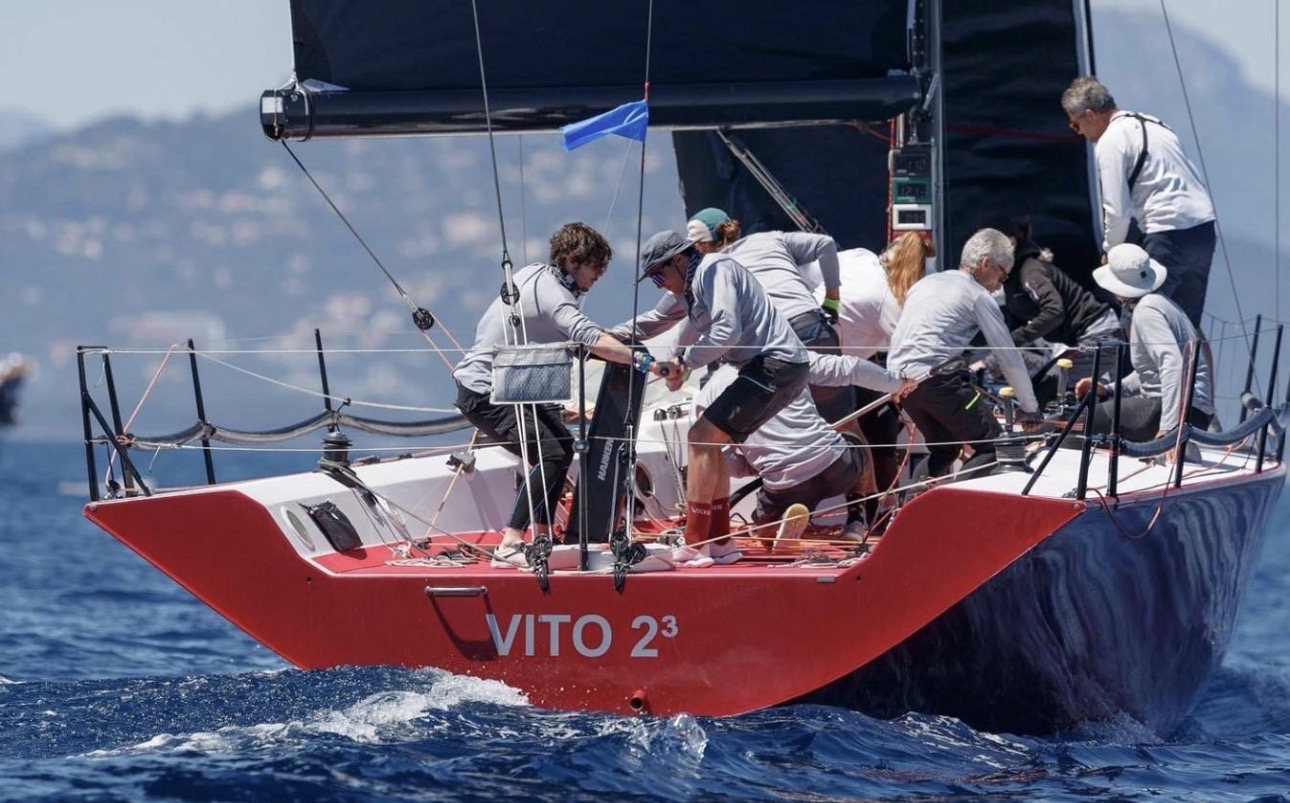
• Works across rules
• Pure naval architecture
• Balanced performance
Key insight
The best boats are not designed completely to the rules.
The Polar Comparison — The Truth in One chart
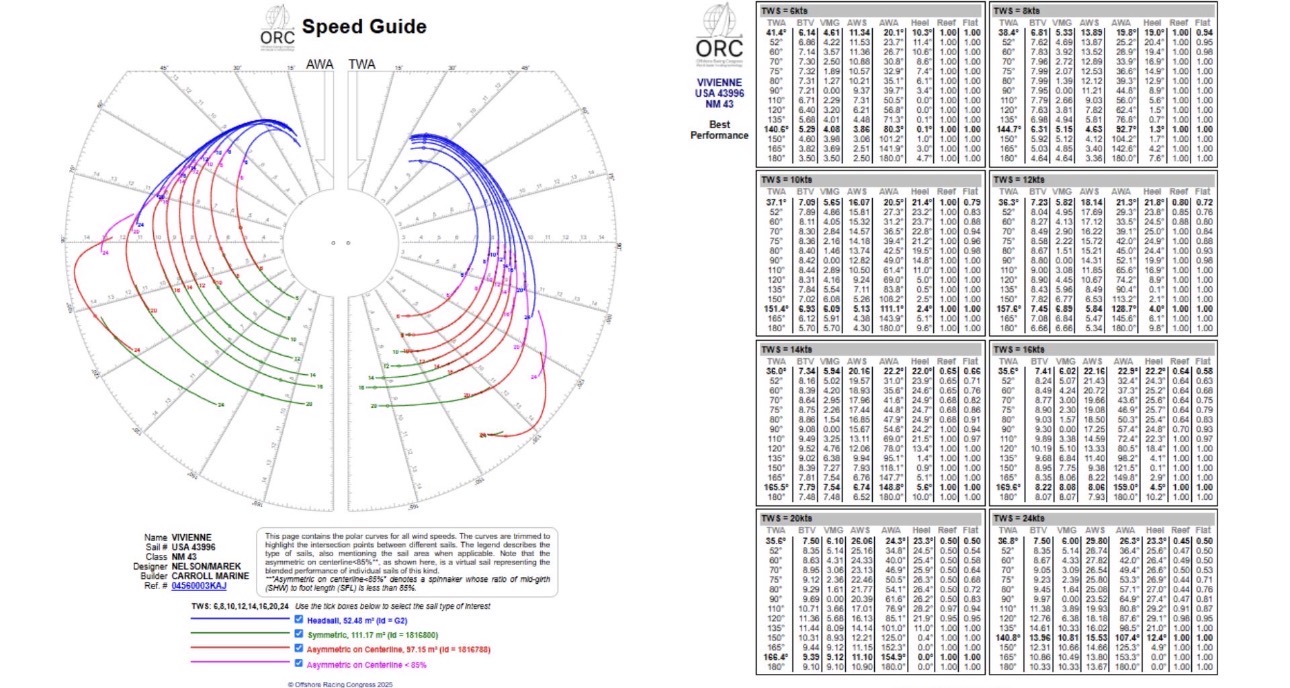
Simply
• IRC → good everywhere
• ORC → very fast somewhere
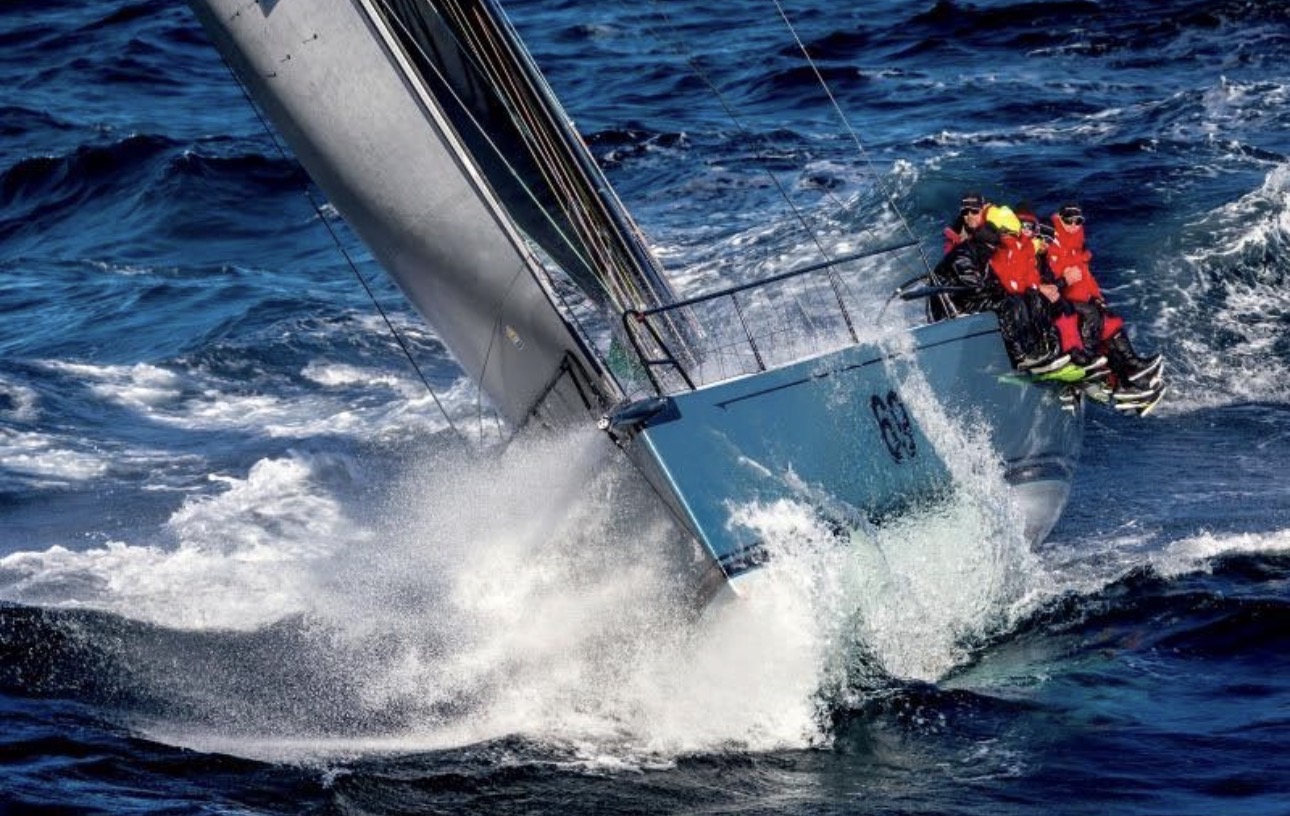
The Hidden Variable — The Ocean
Polars assume:
• Flat water
• Stable wind
• Perfect execution
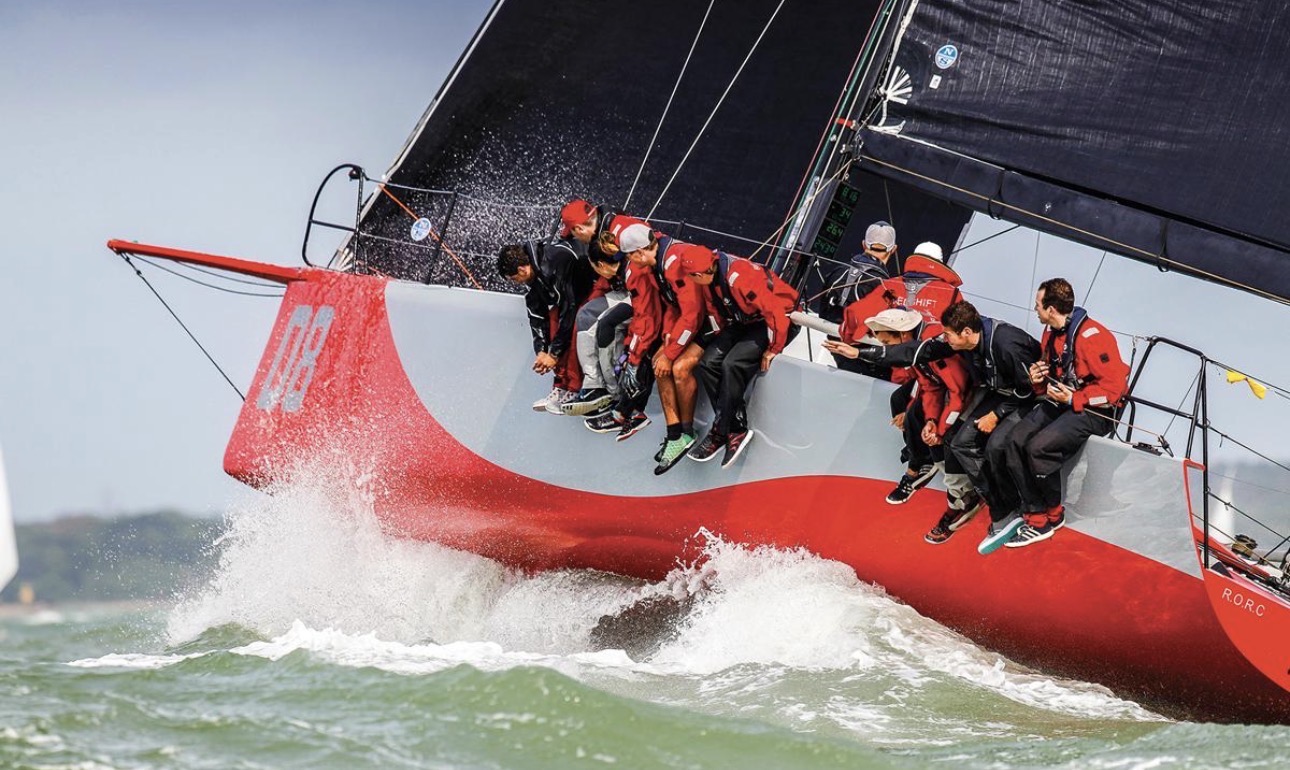
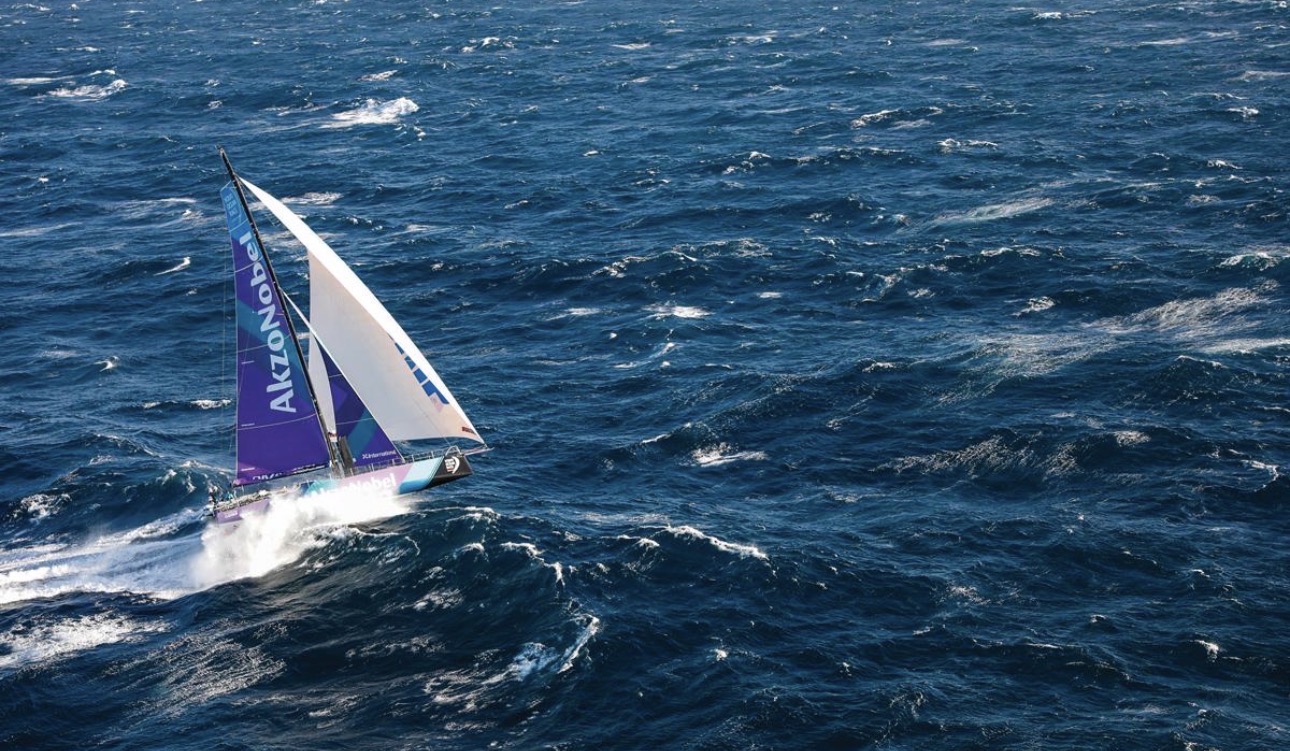
Offshore racing delivers none of these
Reality check
The rougher it gets, the less perfect the polar becomes
Final Design Insight
At its core:
• ORC → maximise peak performance
• IRC → minimise performance lose
Every designer is answering one question:
Where does this boat win?
• In a modelled world
• Or in the real one
Offshore racing doesn’t reward perfection.
It rewards the boat that is still fast when everything stops being perfect.


Comments