
Why firstBeat is called FirstBeat

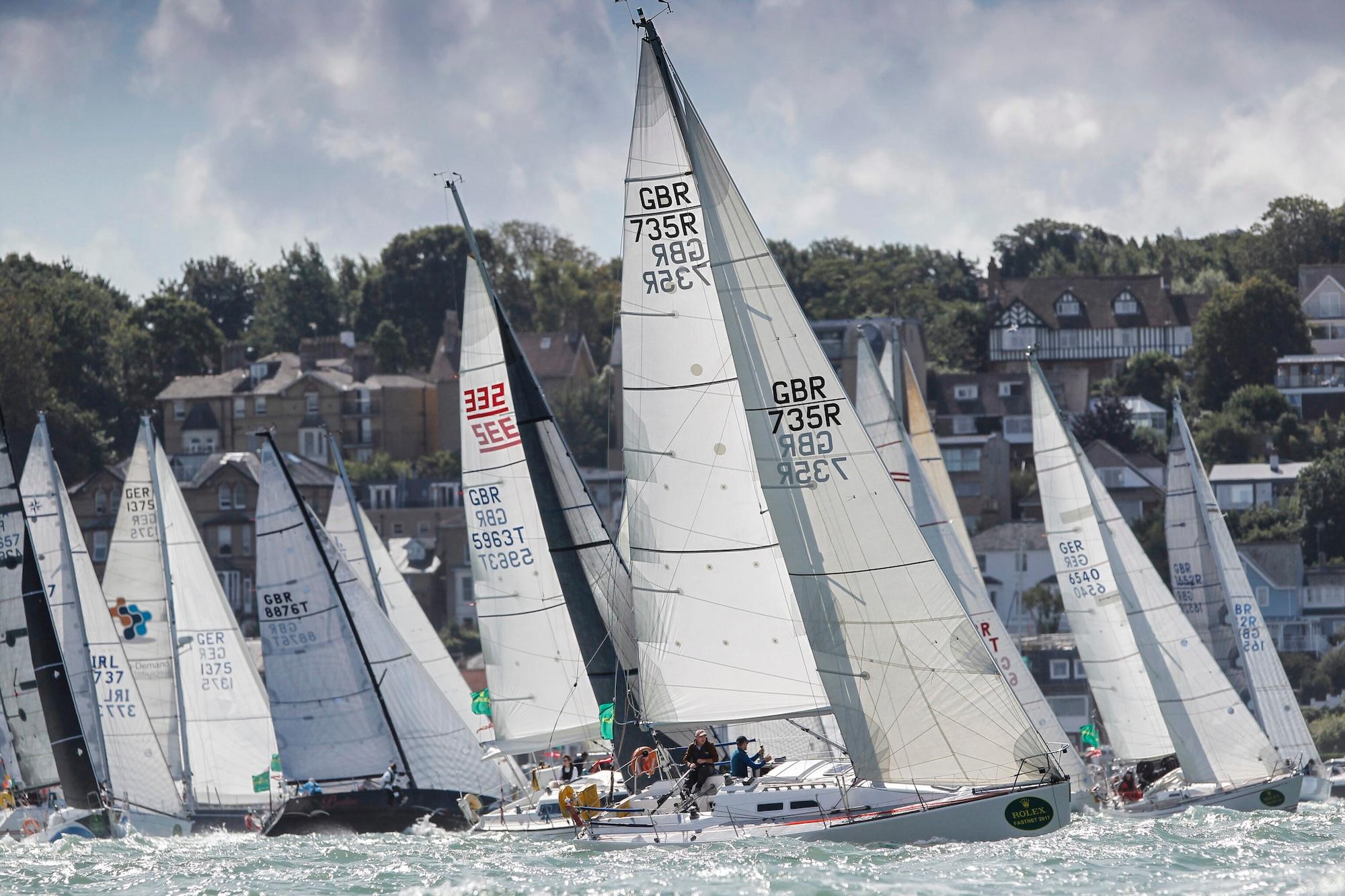
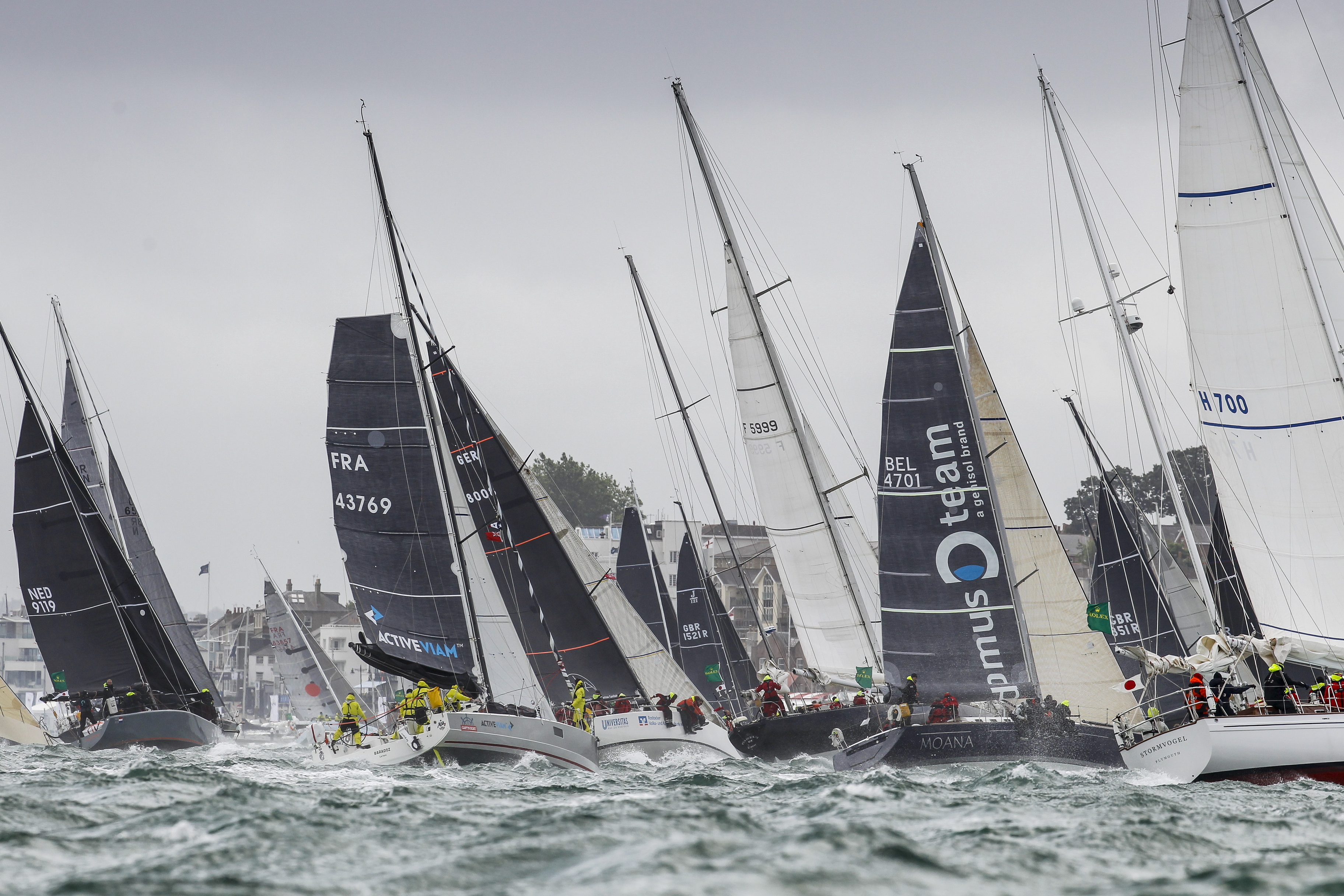
The gun fires off Cowes and several hundred offshore racing boats suddenly discover whether the plan was real or just something that sounded good in the briefing.
In the first thirty seconds, every crew is doing the same calculation.
Port or starboard. Gun end or pin. Clear lane or dirty air. Hold for the first shift or escape early. Protect the tide or protect the lane. Trust the plan or panic because the boat to leeward has just accelerated better than you expected.
From the shore it looks like controlled chaos. From the deck it feels personal.
Somebody will get a clean lane. Somebody will get rolled. Somebody will be able to sail the race they planned. Somebody will spend the next hour trying to recover from a start they are already pretending was acceptable.
And because this is offshore racing, the damage is not contained to the first mile.
That is the mistake many crews make. They treat the first beat as the bit you get through before the race starts properly. There are 695 miles in a modern RORC Fastnet race. There are nights ahead. Tides, headlands, watches, sail changes, weather models, routing decisions, calms, squalls, fatigue and fear. Surely there is plenty of time to recover.
Sometimes there is.
More often, the first beat has already written the opening chapter of the race.
Not because the first beat always wins the race. It does not. Offshore racing is too long, too complex and too brutal for that. But the first beat decides something nearly as important.
It decides whether you are racing with options, or racing to repair damage.
That is why my blog FirstBeat is called FirstBeat.
What the first beat really means
In simple sailing language, the first beat is the opening upwind leg. The first tack out of the start. The first test of speed, lane, communication, trim, steering and nerve.
In offshore racing it is more than that.
It is the first moment when the plan meets the real race.
The fleet is compressed. The air is dirty. The lanes are fragile. The tide is already moving. Everybody still has options, which means everybody is fighting to keep them. The decisions come fast, but their consequences travel much farther than the first mark.
The name works both ways.
First beat: the first upwind leg.
First beat: beat someone first!
In offshore racing, those two meanings are closer than most crews like to admit.
A good first beat gives you clear air, initiative and timing. A bad one gives you excuses, disturbed air, compromised decisions and a tidal clock that is already running against you.
That is the whole FirstBeat argument in one sentence: the first beat does not decide everything, but it decides what kind of race you are going to be allowed to sail.
What the evidence says, and what it does not say
Let’s start with one-design racing, because that is where the first-beat effect is easiest to see.
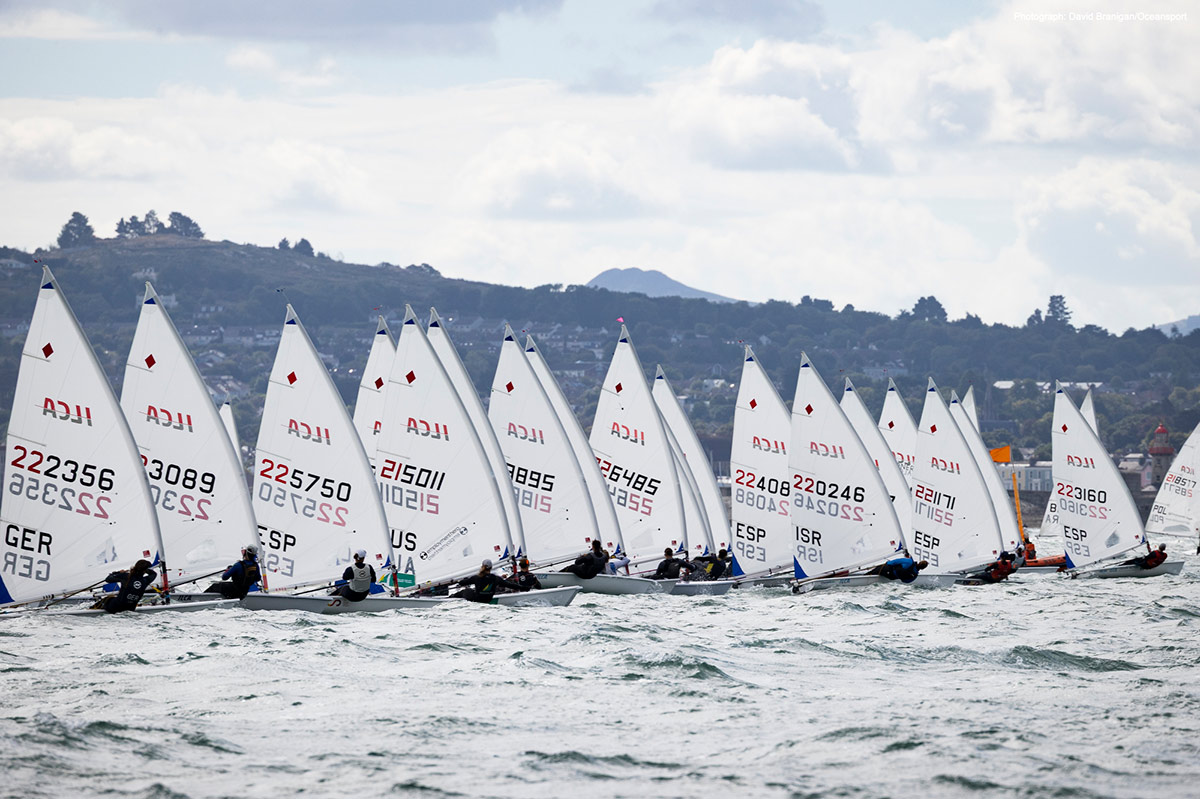
In a Laser or ILCA fleet, the boats are effectively equal. There is no rating system to hide behind, no excuse that the other boat has a different hull form, a better IRC number or a more forgiving sail plan. If you are ahead at the first windward mark, it is usually because you started better, held a better lane, sailed faster and made better decisions on the first beat.
A 2022 study of Laser-class racing found a strong correlation between sailors’ position at the first upwind mark and their final race ranking. The correlation was not perfect, and it should not be sold as magic, but it was strong enough to confirm what good sailors already know: early order matters.
A separate SailZing race-course observation made the same point in more practical language. In one analysed fleet race, every boat in the top five at the first windward mark and at the finish met at least two of three starting-performance criteria: front-row position, ability to accelerate, or a prompt escape after a poor start.
That is not offshore racing, and it is not total proof but it’s interesting and after having started over 200 offshore races in my racing life it feels right to me.
But it does prove the underlying mechanism.
Good starts create clean lanes. Clean lanes create tactical freedom. Tactical freedom creates better decisions. Better decisions compound.
Now move that mechanism offshore and add tide, headlands, darkness, sleep loss and crew psychology.
The effect does not get smaller. It gets larger.
Offshore racing in the UK adds the tidal clock
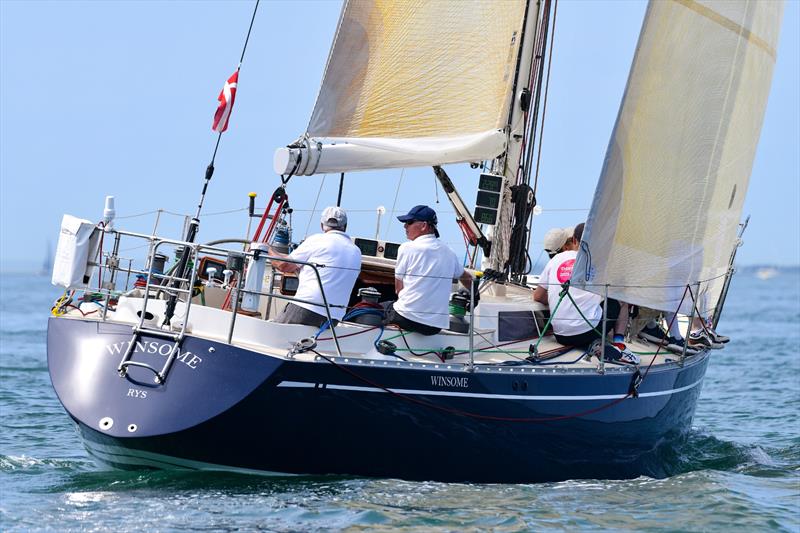
Inshore, a poor first beat costs you places.
Offshore, a poor first beat can change the race you are sailing.
That is the critical difference.
Every domestic and some international RORC course has its version of the tidal-gate problem. The Needles, Hurst, St Alban’s, Portland Bill, Start Point, the Casquets, the Eddystone approaches, the sandbanks of the North Sea, and The Messina Straights off Scily. The logic stays the same.
You are not just trying to sail fast. You are trying to arrive somewhere before the tide changes its mind.
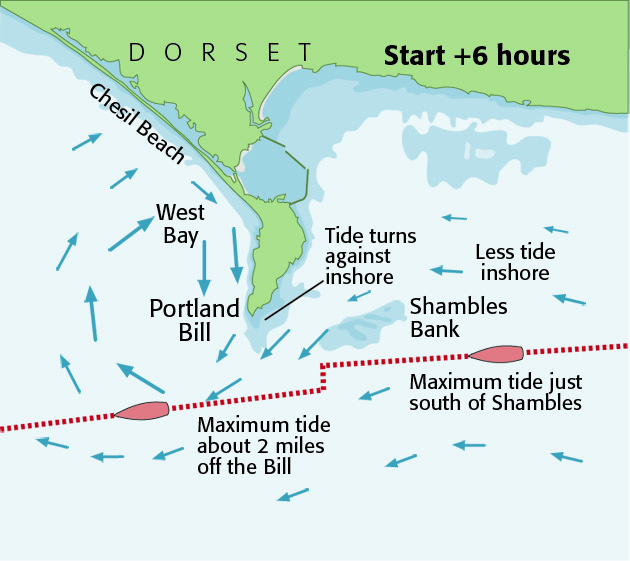
In the Fastnet, Myth of malham and Morgan Cup races, Portland Bill is the obvious early example. The first beat out of the Solent affects your timing west. Your timing west affects whether the inside Portland option is still viable. If it is, you can bank miles. If it is not, you are suddenly paying for every decision you made hours earlier.
The Yachting World navigator’s advice is blunt: to justify being in close at Portland, you need to be confident you will be west of the Bill about seven hours after the start. Miss that window and the inshore route can become expensive very quickly.
That is why the first beat matters offshore.
It is not just about who looked clever off the line. It is about who arrives at the first real tidal decision with options still open.
A boat that starts well has choices. It can protect the inshore lane, push offshore, cover the right boats, or make its tidal decision on its own terms.
A boat that starts badly has already spent part of its tactical budget. It may still have choices, but they are narrower, later and more defensive.
The tracker may show only a few miles of separation.
The tidal clock sees more.
The “we’ll catch up later” trap
One of the most expensive sentences in offshore racing is this:
“We’ll catch up later.”
It sounds calm. It sounds experienced. Sometimes it is even true.
But very often it is just a polite way of avoiding the fact that the boat is already reacting rather than racing.
The mathematics of recovery look simple. Lose two miles early, sail two miles faster later. Job done.
Offshore racing does not work like that.
Those two miles may change your tide at the next headland. They may put you in dirty air for longer than expected. They may force an extra tack. They may make the navigator cautious. They may make the skipper reluctant to split. They may make the watch work harder earlier than planned.
By midnight the deficit is no longer just distance.
It is fatigue. It is doubt. It is a different tidal window. It is a different fleet reference. It is a cockpit conversation nobody wants to have because everyone knows the boat is no longer sailing the race it planned.
Catching up later is possible. Boats do it. Weather changes. Leaders make mistakes. A trailing boat can get the right cloud, the right shift, the right tidal edge, or the right moment of courage.
But hoping the race will offer you a recovery lane is not the same thing as starting with one.
The psychology of chasing
There is a reason leaders often look calmer than chasers.
It is not because they are morally superior. It is because they have more room to think.
A boat ahead can look forward. A boat behind keeps looking sideways and back.
This changes the decision environment. The leading boat asks: what is the next best move? The chasing boat asks: what are they doing, and can we afford not to follow?
That sounds subtle. It is not.
In offshore racing, the difference between proactive and reactive thinking is enormous. The boat ahead can decide whether to cover, split, protect the tide, sail for pressure, or consolidate. The boat behind has to process the leader’s decision before it can make its own.
That is why the first beat has a psychological effect as well as a tactical one.
A poor start does not just place you behind on the water. It places you inside a different mental frame. Sail changes become slightly more cautious. Splits become harder to justify. The navigator starts looking for recovery moves instead of clean race moves. The skipper manages mood as much as speed.
Nobody says it out loud, but the boat knows.
You are no longer making the race happen. You are trying to get back into it.
Boyd, OODA and offshore racing
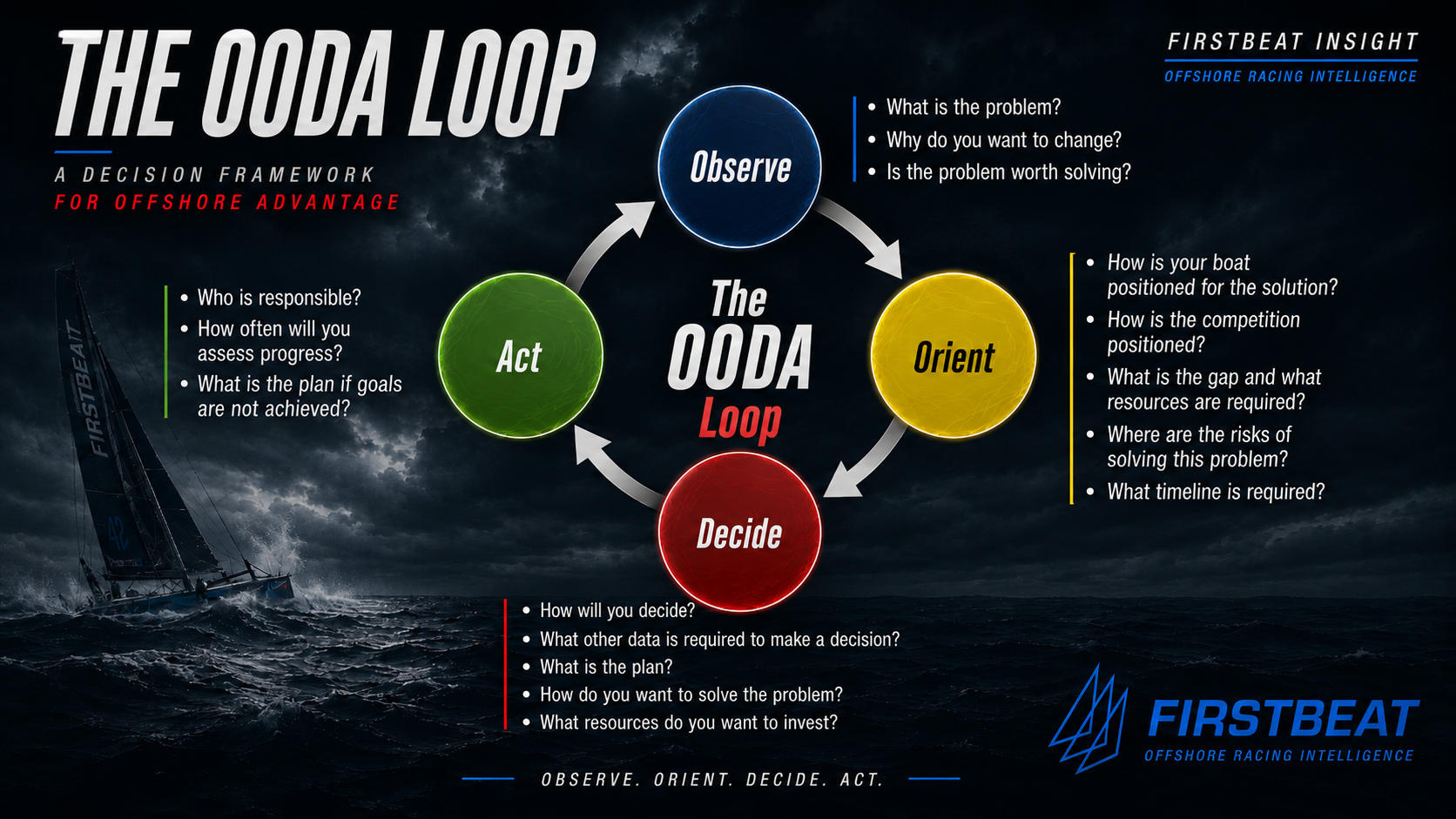
John Boyd, the American fighter pilot and strategist, developed the OODA loop: Observe, Orient, Decide, Act.
It was designed for combat decision-making, but the principle applies to any contest where two competitors are making repeated decisions under pressure with imperfect information.
That is offshore racing.
The simplified version is this: the competitor who observes, understands, decides and acts faster and better than the opponent gains initiative. If they keep doing it, the advantage compounds. They are not merely ahead in position. They are ahead in the decision cycle.
Apply that to the first beat.
The boat that exits the first beat well has a proactive OODA loop. It sees the fleet behind. It chooses the next phase. It decides whether to consolidate or extend. It acts from initiative.
The boat that exits badly has a reactive OODA loop. It watches the leaders. It tries to interpret their choices. It looks for a way back. By the time it has acted, the race may already have moved on again.
This is why a first-beat mistake can feel so hard to repair. You are not just repairing distance. You are repairing initiative.
What a proper offshore ‘first beat’ requires
Most offshore crews prepare the race from the second mark onwards, or once they have cleared it Solent in many RORC domestic races.
They load the weather gribs. They check the routing. They talk about sail plans, watch systems, food, batteries, safety, comms and the first night.
All of that matters.
But the first beat deserves the same seriousness.
A proper offshore first beat starts before the warning signal. It starts in the briefing. It starts with the navigator knowing the first tidal gate. It starts with the helm knowing the starting plan. It starts with the trimmers knowing what “fast and free” means in the first five minutes. It starts with the tactician knowing which compromise is acceptable and which one is not.
A good first beat is not necessarily a start within a metre of the line - that might be dsngerous for a 600mile race.
It is usually simpler than that.
A clear lane. The right side of the first shift. A tidal plan that begins at the gun, not at the headland. A boat that is actually ready, not almost ready. A crew that knows what the first decision is, and what the second decision will probably be if the first one goes wrong.
That last part matters.
Offshore starts go wrong. Lanes close. Boats appear. The wind bends differently from the forecast. The tide does something awkward. A crew that has only prepared Plan A becomes emotional when Plan A disappears.
A crew that has prepared the first beat properly already knows the escape route.
The FirstBeat principle
FirstBeat was not chosen as a name because the first beat always wins the race.
That would be too simple, and offshore racing is not simple.
It was chosen because the first beat is where preparation, judgement, teamwork and competitive intent meet under pressure.
The first beat asks questions the boat cannot avoid.
Can you start cleanly? Can you hold a lane? Can you make a decision while the fleet is shouting around you? Can you protect the tide without becoming timid? Can you sail your plan without being trapped by it? Can your crew execute when the race is still compressed and noisy?
A good first beat does not guarantee a good result. But it gives you the right to sail the race you intended.
A bad first beat does the opposite. It closes doors early. It narrows the tidal window. It turns the boat reactive. It changes the psychology on board before the race has properly settled.
That is why “we’ll catch up later” is such a dangerous comfort.
Later exists. But later is rarely as generous as crews imagine.
The first beat is not the warm-up. It is not the bit before the real offshore race begins. It is the first expression of whether the boat, the crew and the plan are serious.
It is where the race first shows you who is prepared.
That is why it is first. That is why it matters. And that is why FirstBeat is called FirstBeat.


Comments