
WINNING THE RACE AGAINST YOUR BODY

The Reality No One Talks About
Offshore racing is not won on tactics alone.
It’s won — or lost — in the human system.
The skipper who can’t eat. The trimmer who hasn’t slept. The navigator vomiting over the chart table.
That’s where races unravel.
In a 200–600 mile Royal Ocean Racing Club races race, your biggest enemy is rarely the fleet.
It’s your physiology.
1. What Seasickness Actually Is (And Why It Destroys Performance)
Seasickness is not weakness. It is a neurological conflict.
The Mechanism (Medically Established)
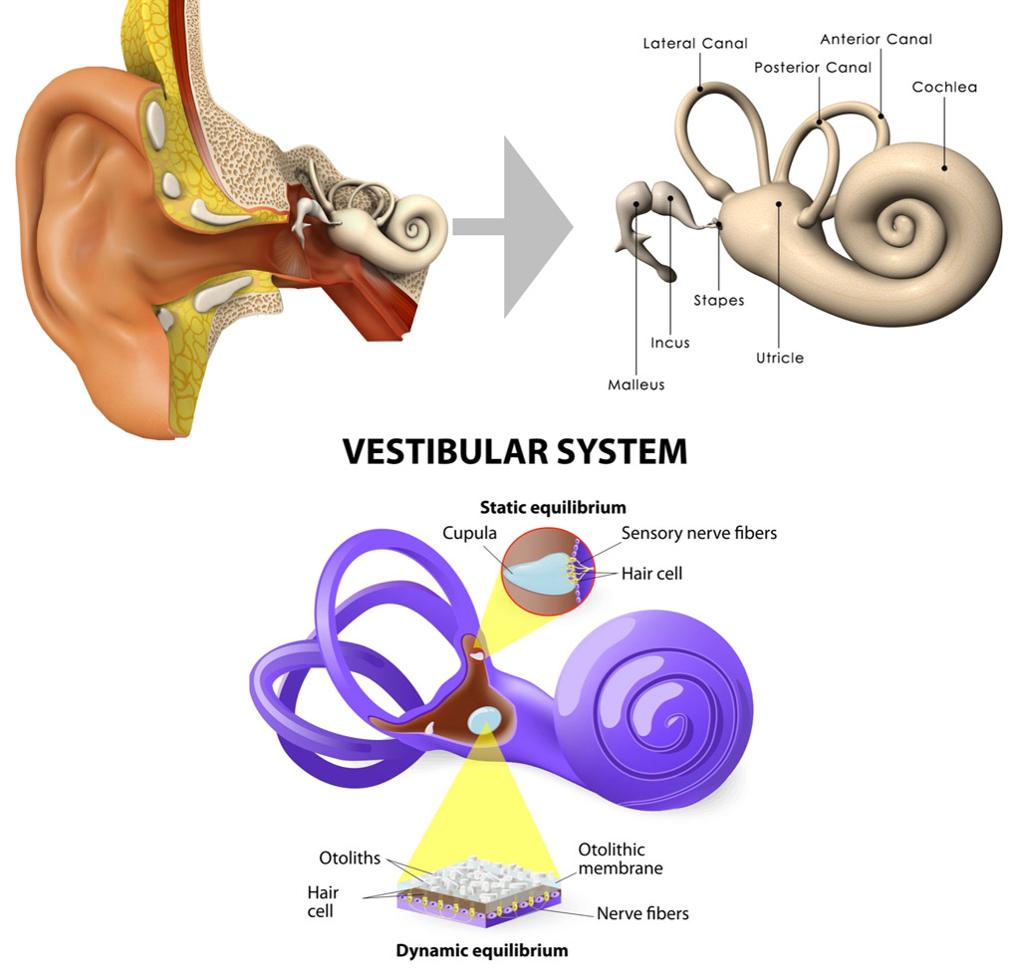
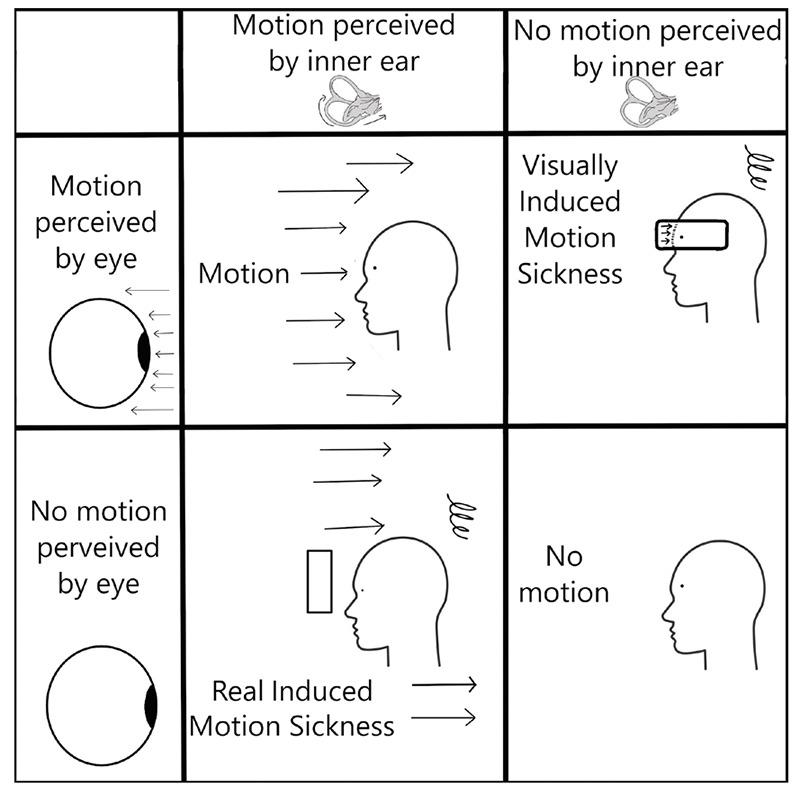
Your inner ear (vestibular system) detects motion
Your eyes may see a static environment (e.g. inside the boat)
Your brain receives conflicting signals
This creates what is known in neurophysiology as sensory mismatch.
The result:
Nausea
Vomiting
Cold sweating
Loss of coordination
Cognitive impairment
From an evolutionary perspective, your brain interprets this conflict as neurotoxin ingestion — and triggers vomiting as a defence mechanism.
Performance Impact Offshore
Seasickness leads to:
Up to 80% reduction in physical output
Severe dehydration
Decision-making collapse
Increased risk of hypothermia
In short: A seasick crew member is effectively out of the race.
2. The Inner Ear, Balance, and Why Some Sailors Suffer More
The vestibular system consists of:
Semicircular canals → detect rotation
Otolith organs → detect linear acceleration
In offshore conditions:
Constant wave motion = continuous vestibular stimulation
Irregular motion = maximum sensory conflict
Why Some People Are More Susceptible
Key factors:
Genetics
Inner ear sensitivity
Previous exposure
Anxiety levels
Sleep deprivation
Interestingly:
Experienced sailors are less affected not because they are immune, but because their brain adapts.
This is called habituation.
3. The Drug Reality – What Actually Works
There is no perfect drug.
Everything is a trade-off between:
Motion suppression
Alertness
Side effects
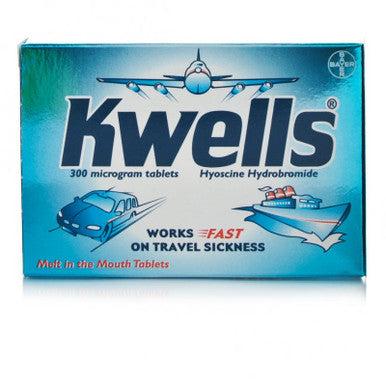
A. Hyoscine (Scopolamine) – Kwells / Patches
Mechanism of Action
Blocks muscarinic acetylcholine receptors
Reduces vestibular signalling to vomiting centre
Pros
One of the most effective anti-motion sickness drugs
Fast acting (tablets)
Long-lasting (patches)
Cons
Dry mouth
Blurred vision
Drowsiness
Cognitive slowing
Offshore Consideration
Very effective — but can impair performance in navigators / tacticians.
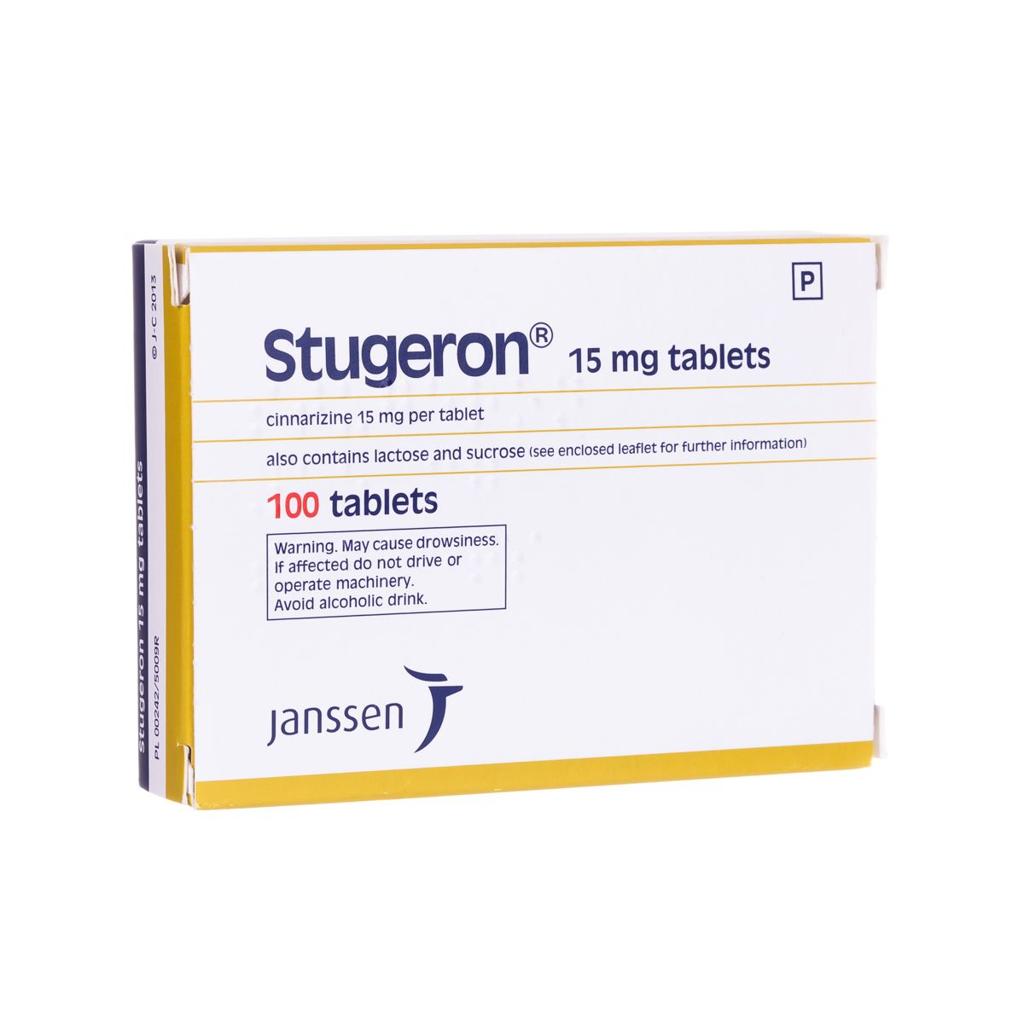
B. Cinnarizine (Stugeron)
Mechanism
Calcium channel blocker
Reduces vestibular sensitivity
Pros
Highly effective for motion sickness
Widely used by sailors
Cons
Drowsiness
Slower reaction time
Practical Use
Common choice in offshore sailing — but test before racing.
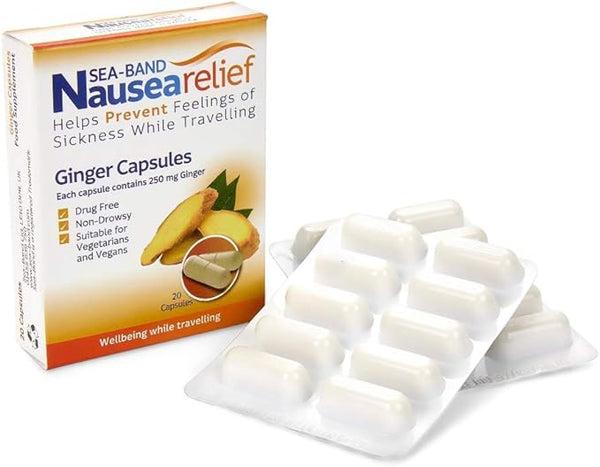
C. Promethazine (Phenergan)
Mechanism
Antihistamine
Suppresses vomiting centre
Pros
Very strong antiemetic
Cons
Heavy sedation
Performance impairment
Verdict
Emergency use — not ideal for racing

D. Ondansetron (Zofran)
Often misunderstood.
Mechanism
Serotonin (5-HT3) antagonist
Critical Point
Ondansetron does NOT prevent motion sickness.
It only suppresses vomiting.
So:
You may still feel nauseous
But stop vomiting
Best Use Offshore
Secondary rescue drug
E. Cyclizine (Valoid)
Mechanism
Antihistamine
Reduces vestibular stimulation
Pros
Effective
Less sedating than promethazine
Cons
Still causes drowsiness
Offshore Use
Strong option if well tolerated
F. Meclizine (Bonine)
Less common in UK, more US-based.
Pros
Long acting
Effective
Cons
Sedation
The Real Offshore Strategy (Not Medical Advice)
The mistake sailors make:
Taking medication after symptoms start
By then:
Gastric absorption is reduced
Vomiting may prevent absorption
Better Approach
Take medication 1–2 hours before departure
Test during training
Avoid first use during racing
The Performance Trade-Off
This is critical for racing:
Drug | Effect | Racing Impact
Hyoscine | Strong | Medium sedation
Cinnarizine | Strong | Moderate sedation
Cyclizine | Strong | Moderate
Promethazine | Very strong | High sedation
Ondansetron | Vomiting only | Low sedation
For helmsmen, navigators, tacticians:
Sedation can be as damaging as seasickness
4. Fatigue – The Silent Race Killer
Fatigue affects:
Reaction time
Decision-making
Risk perception
Coordination
Studies show:
17–19 hours awake ≈ 0.05% blood alcohol impairment
That is effectively legally impaired in many countries.
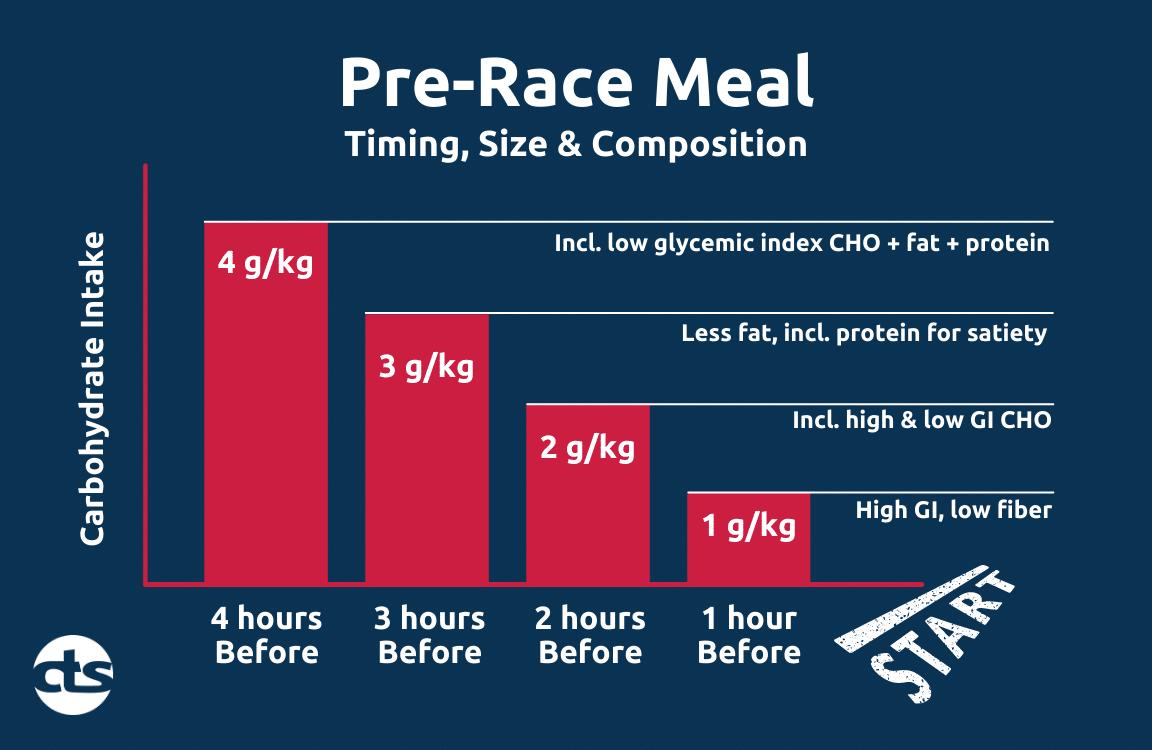
5. Energy Management – The Offshore Fuel Strategy
Your brain consumes approximately:
20% of total energy
Offshore racing adds:
Cold exposure
Constant muscle activation
Sleep deprivation
What to Eat
Slow-release carbohydrates
Protein
Healthy fats
What to Avoid
High sugar spikes
Heavy meals
Excessive caffeine
Why This Matters
Blood glucose instability = cognitive instability
The Rule: Fuel Light, Fuel Often
Optimal Intake
Every 2–3 hours
Hydration
Small amounts frequently
Electrolytes in warm conditions
6. Caffeine – Why You Should Be Careful
Caffeine improves:
Alertness
Reaction time
But:
Increases dehydration
Can worsen seasickness
Creates crash cycles
Tactical Use Only
Best used before critical phases (night shift, finish approach)
7. Temperature Regulation – The Hidden Performance Lever
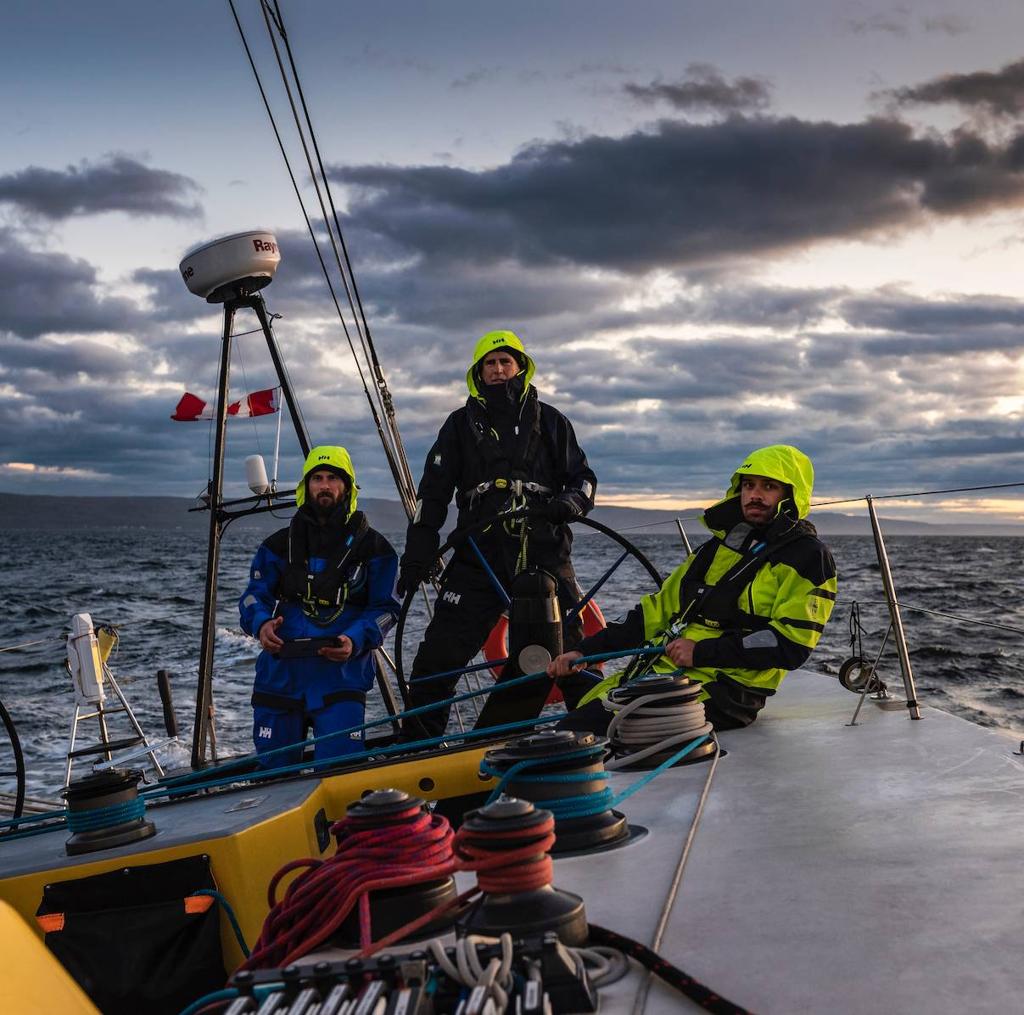
Your body burns enormous energy maintaining core temperature.
Overheating → dehydration → nausea
Cold → energy drain → cognitive decline
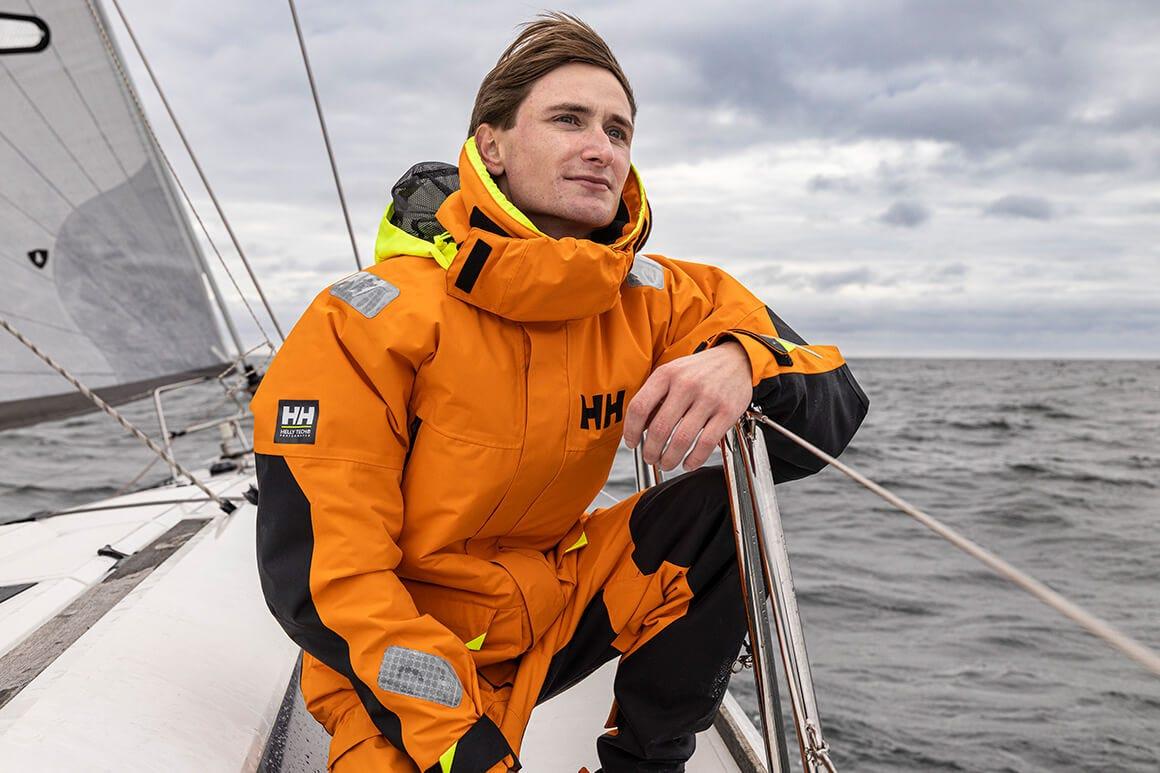
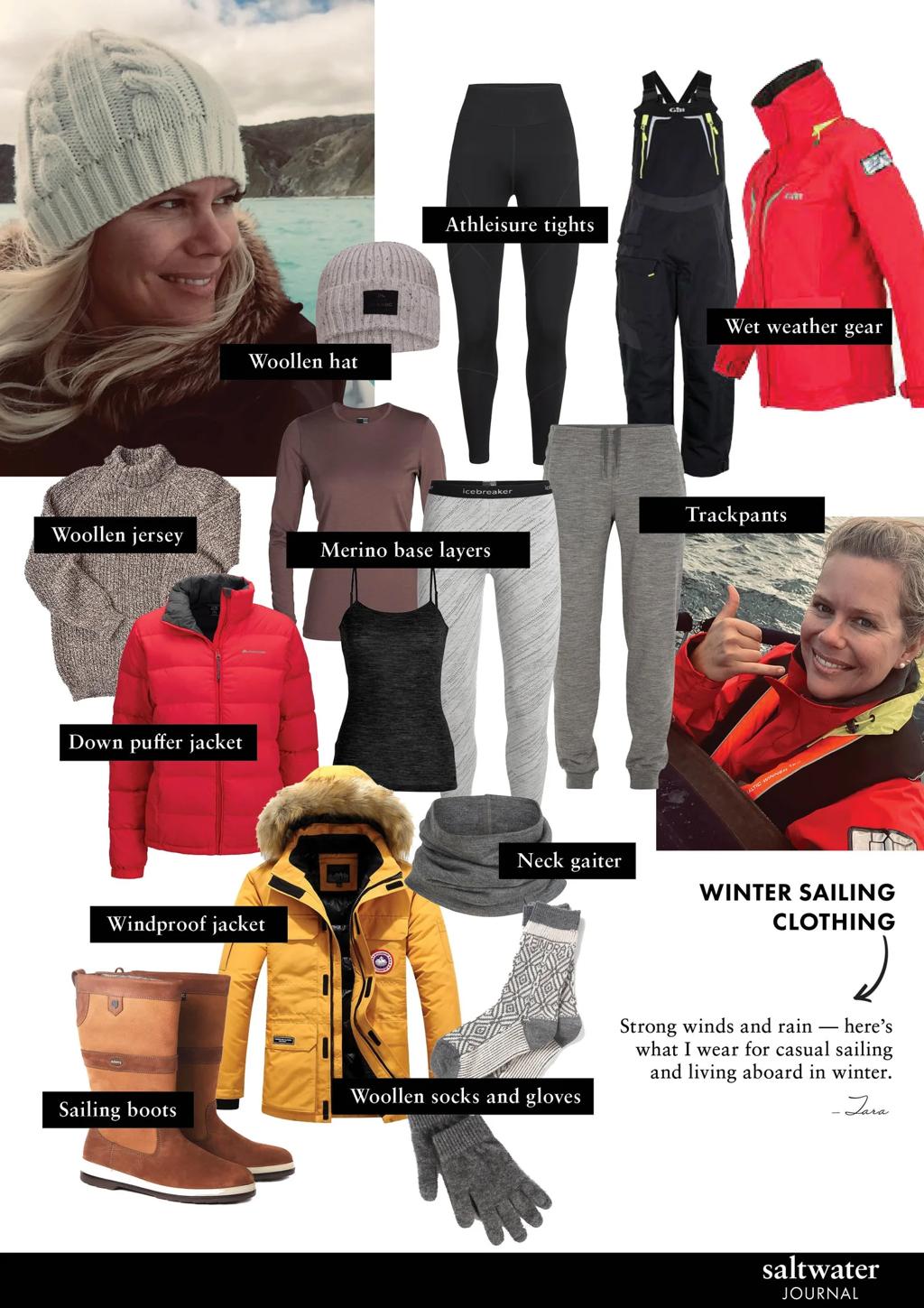
The Offshore Layering System
Base layer → moisture control
Mid layer → insulation
Shell → wind/water protection
Key Rule
Never allow yourself to get cold.
8. Sleep – The Most Underestimated Weapon
Fatigue compounds exponentially.
After ~24 hours:
Risk-taking increases
Communication deteriorates
Errors multiply
Watch System Matters
Common offshore systems:
3 on / 3 off
4 on / 4 off
Rolling watch
Sleep Strategy
The biggest mistake:
Waiting until you are tired to sleep
By then it is too late.
8. How to Actively Prevent Seasickness During Racing

Proven Techniques
1. Stay on Deck Early → Reduces sensory mismatch
2. Look at the Horizon → Aligns visual + vestibular input
3. Stay Active → Passive crew get sick faster
4. Avoid Down Below Early → Highest trigger environment
5. Control Breathing → Reduces nausea response
9. Extreme Cases – What Actually Happens
In severe seasickness:
Continuous vomiting
Inability to eat or drink
Rapid dehydration
Loss of decision-making ability
In offshore conditions:
This becomes a safety issue — not just performance.
10. The FirstBeat Offshore Rule
This is the takeaway:
You cannot win offshore if your body is losing.
Final Framework (Simple and Brutal)
Before the Race
Eat clean
Hydrate
Medicate early
First 6 Hours
Stay on deck
Stay active
Avoid going below
During the Race
Eat little and often
Hydrate constantly
Manage temperature
Fatigue
Sleep early
Sleep properly
Protect recovery
Closing Thought
The best offshore sailors are not just tacticians.
They are physiological managers.
They understand that:
Energy is finite
Focus is fragile
The body will fail before the boat does
And they prepare accordingly.


Comments