
IS OFFSHORE RACING IN CRISIS — OR JUST EVOLVING?

You can feel it before you measure it
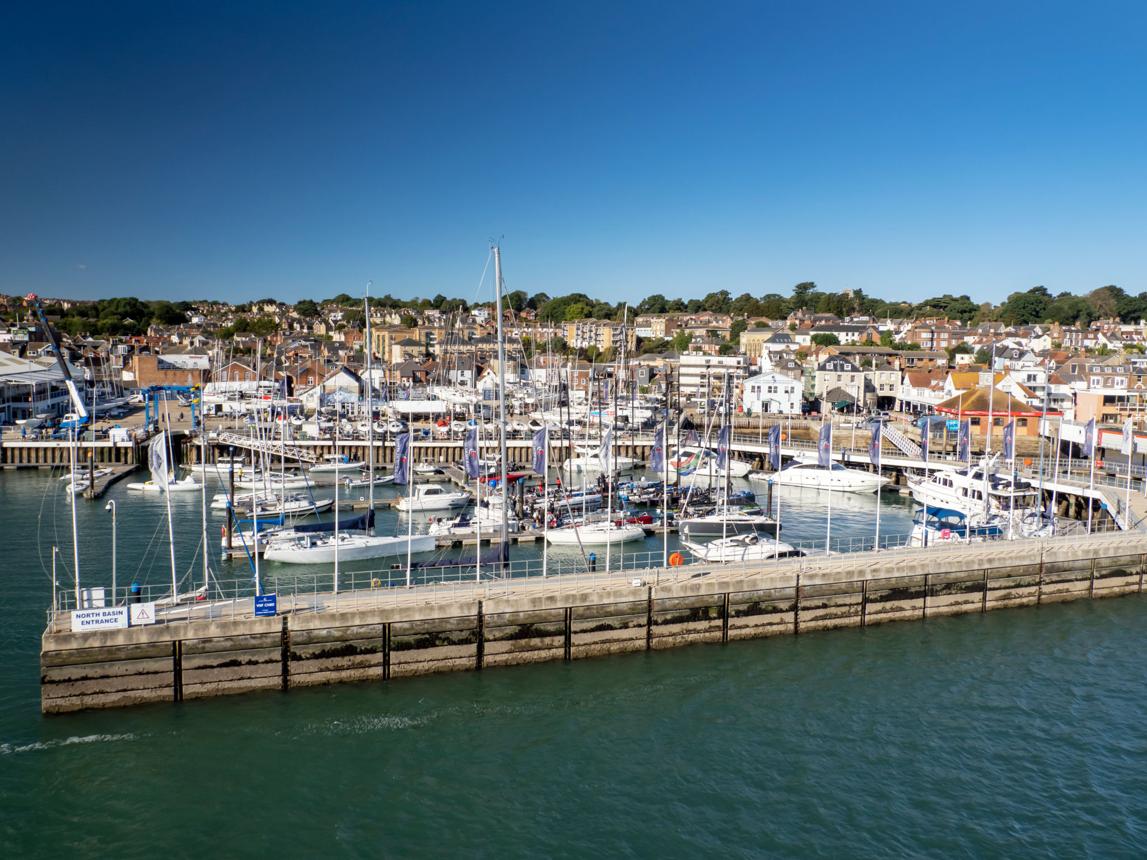
Stand on the dock in Cowes on a non-Fastnet year.
It’s not dramatic. It’s not collapsing.
It’s just… thinner.
Fewer boats. Fewer campaigns. Fewer owners fully committed to a season.
After 50 years offshore, you notice these things instinctively.
And now the data is catching up with the feeling.
The numbers are quietly confirming it
Across the UK and Ireland:
IRC fleet numbers have shown gradual decline in recent reports
Participation surveys highlight falling engagement in sailing overall
Offshore race organisers are adjusting calendars due to reduced entries
“Sailing participation is in decline… the community is at a turning point.” — industry survey commentary
This is not a collapse.
But it is a structural shift.
The real issue: the middle is disappearing
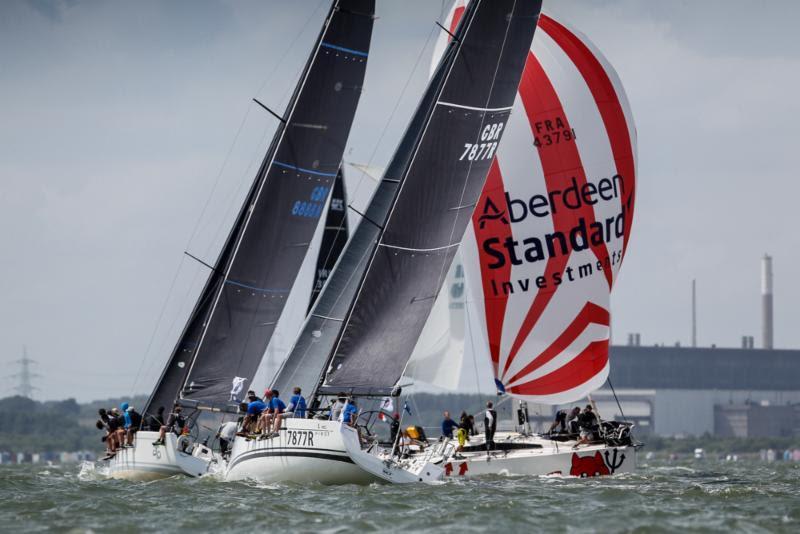
At the top:
TP52s
Maxis
Professionally run campaigns
At the bottom:
Club racing
Smaller IRC boats
Weekend sailors
But the traditional backbone:
The 30–50ft owner-driven offshore campaign with a trained crew
That layer is thinning fast.
Why this matters
Because that’s where:
sailors learn
crews develop
future owners emerge
Remove the middle—
and the system breaks over time.
The cost problem is no longer debatable
“Costs have become eye-watering… unaffordable for many.” — industry commentary
Campaigning offshore now requires:
Significant capital
Continuous reinvestment (sails, tech, maintenance)
Increasing professional input
Ownership used to be the gateway.
Now it’s the barrier.
Time — the invisible constraint
This is less discussed, but just as critical.
Modern owners don’t lack interest.
They lack:
Time to train
Time to campaign
Time to build crews
Offshore racing demands continuity.
Modern life fragments it.
The paradox: double-handed racing is booming
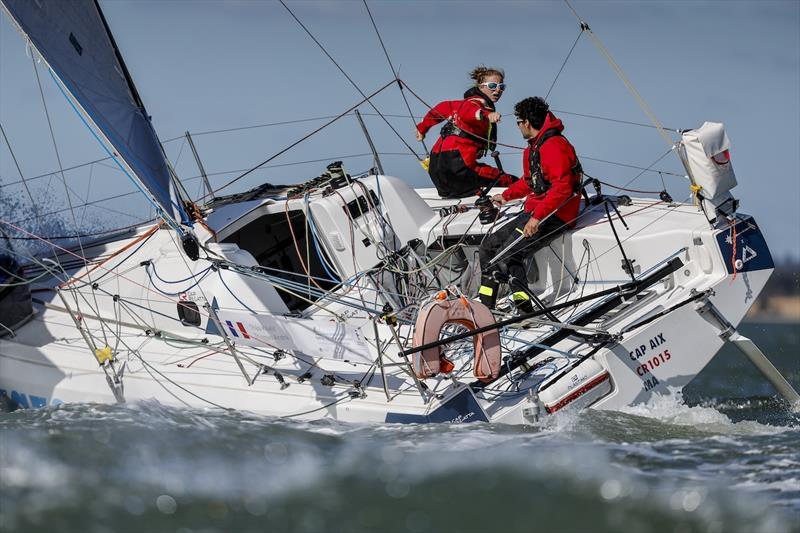
Double-handed racing is one of the biggest success stories in the sport.
It is:
Accessible
Efficient
Logistically simple
Deeply rewarding
But it creates a structural problem:
Every double-handed boat removes 4–8 crew positions.
That’s where people used to learn offshore sailing.
Now those berths are gone.
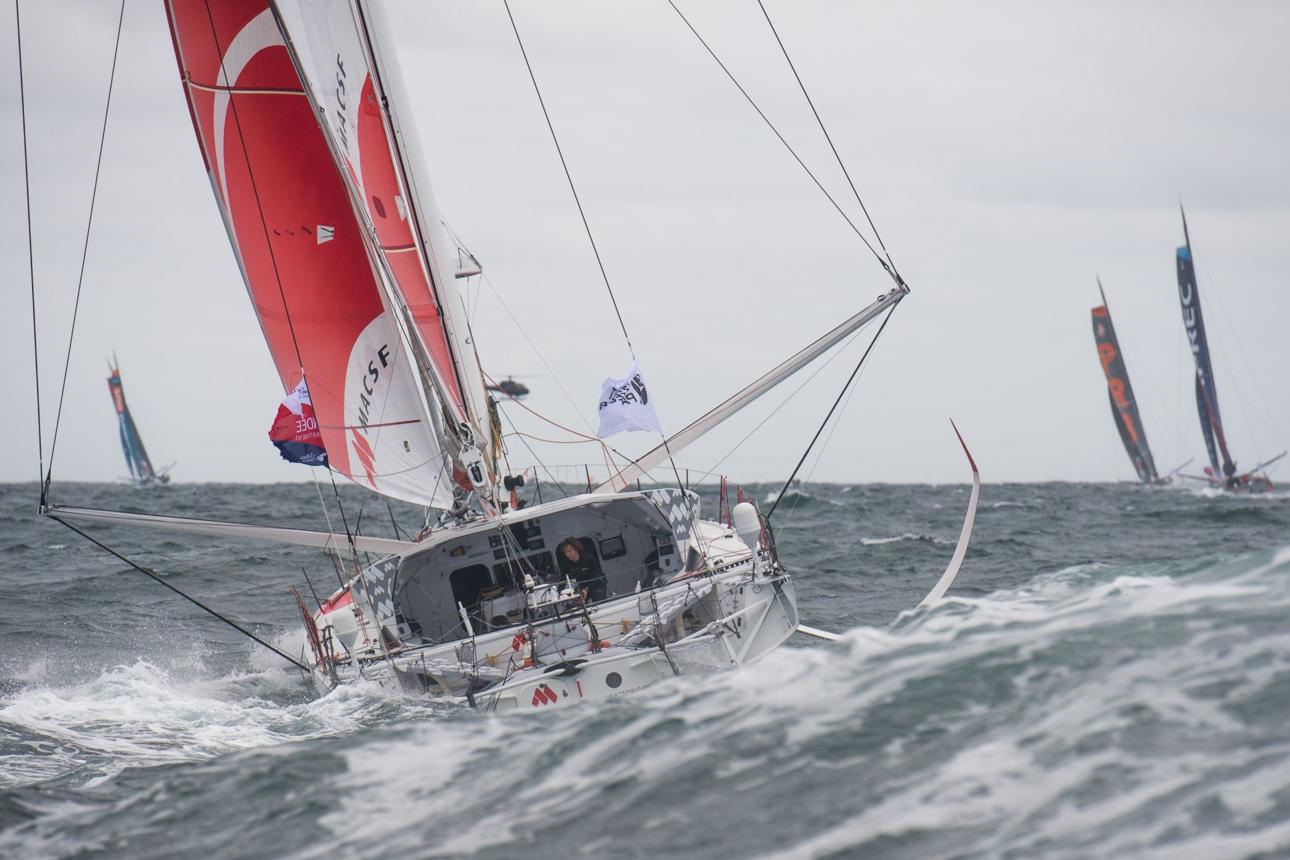
France: success — but not a template
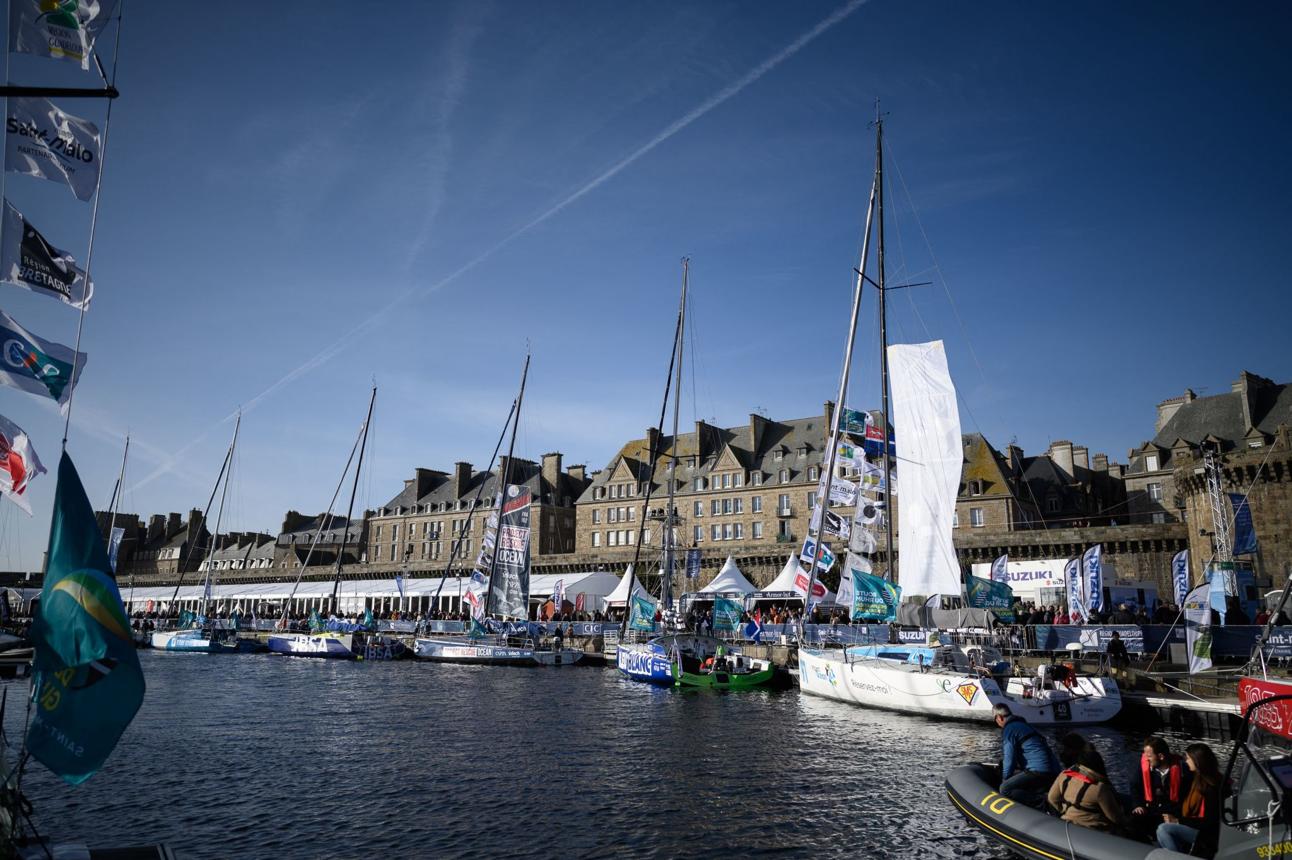
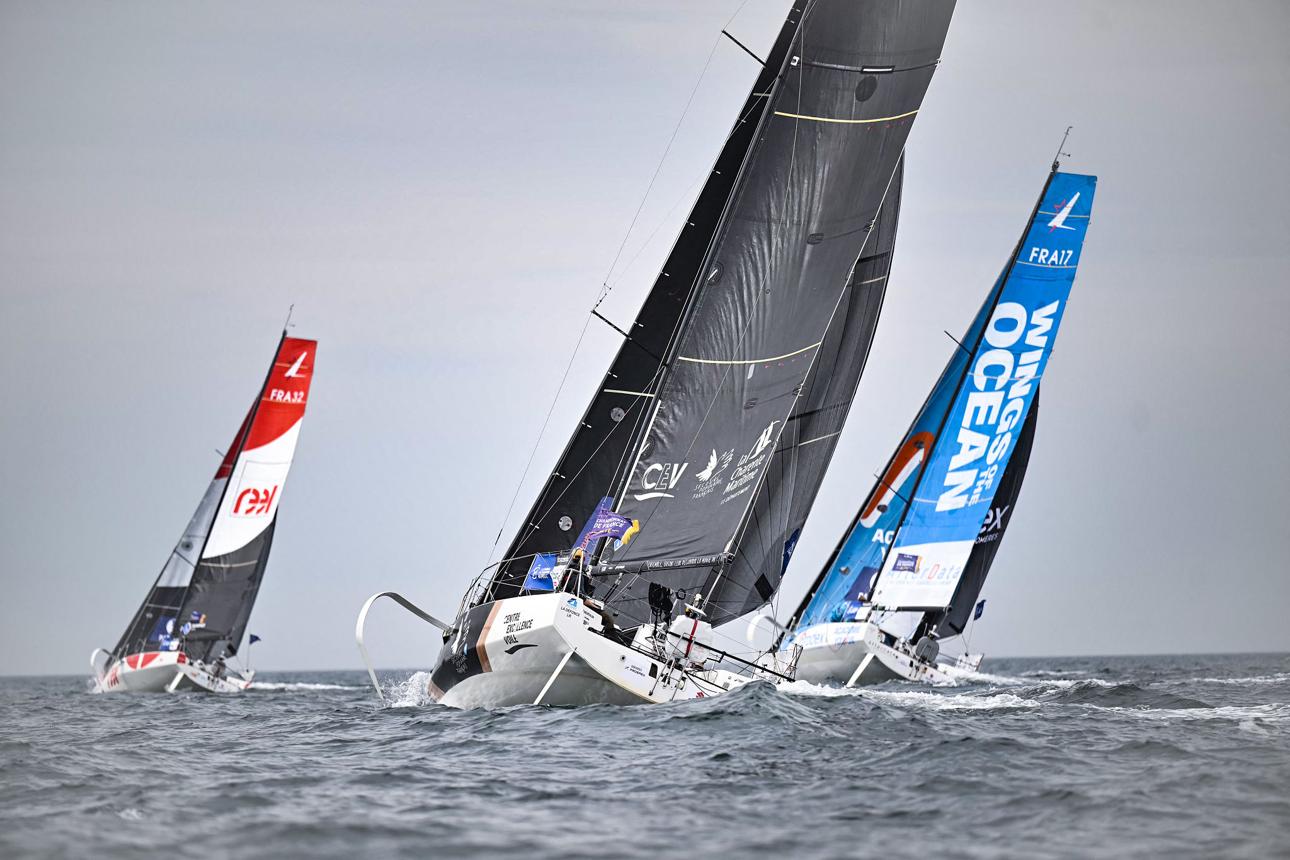
France has built something extraordinary:
Structured progression (Mini → Figaro → Class40 → IMOCA)
National recognition
Media integration
But it is:
Highly professional
Sponsor-driven
Focused on elite pathways
It produces world-class sailors.
But it does not necessarily produce broad amateur participation.
The illusion created by big races
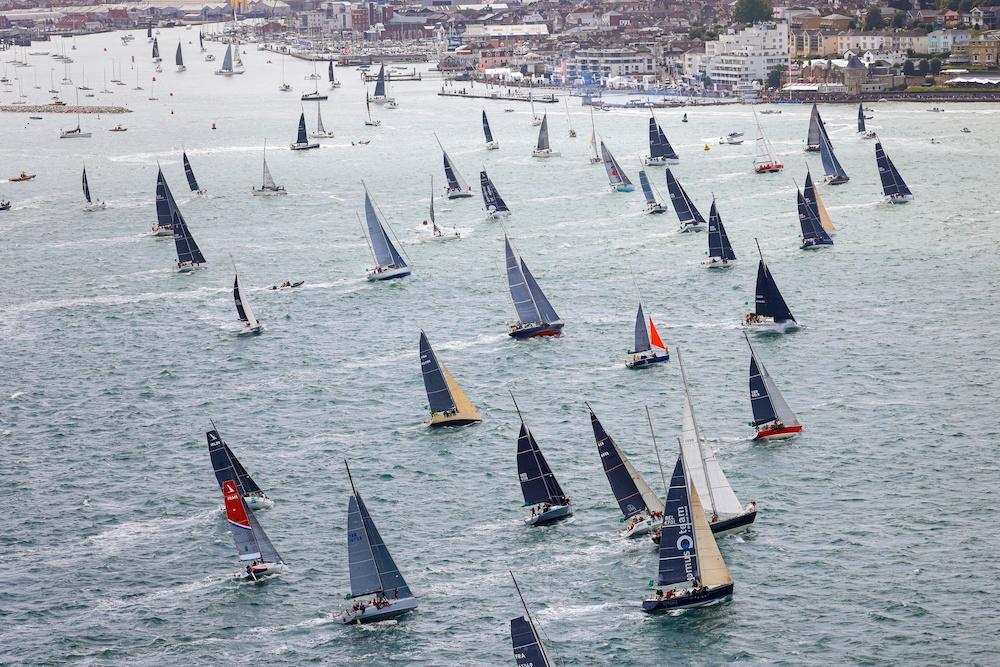
The big races are thriving:
Fastnet
Caribbean 600
Admiral’s Cup revival
But they are:
destination events
They mask:
weaker domestic series
reduced regular participation
fewer season-long campaigns
The professionalisation gap
At the top of the sport:
SailGP
America’s Cup
They are:
spectacular
technologically advanced
globally visible
But they are also:
detached from the average sailor
Sailing has created its own Formula 1.
And left club racing behind.
Technology: safer, but more fragile
Modern offshore racing is driven by:
GPS
AI-assisted routing
Advanced autopilots
Constant data
This has improved safety.
But it has also introduced dependency.
When systems fail offshore—and they always do—
the fallback used to be:
instinct
experience
seamanship
That layer is quietly eroding.
What the global sailing media is consistently saying
Across Yachting Monthly, Seahorse, Afloat, Sailing World:
Key themes:
Participation is declining
Cost is the primary barrier
The sport is at a crossroads
Pathways into offshore racing are weakening
Culture has shifted toward complexity and expense
This is not a UK-only issue.
It’s global.
The positives — and they matter
Despite everything:
1. The Admiral’s Cup revival worked
strong identity
meaningful competition
real offshore racing
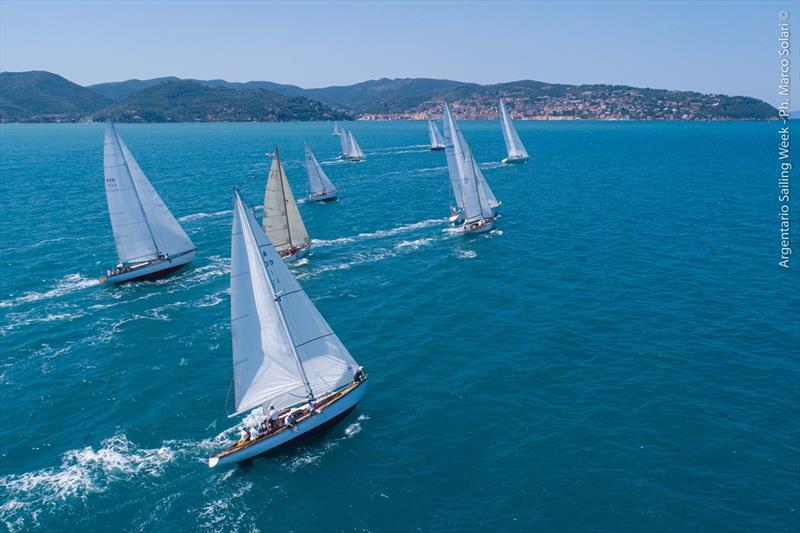
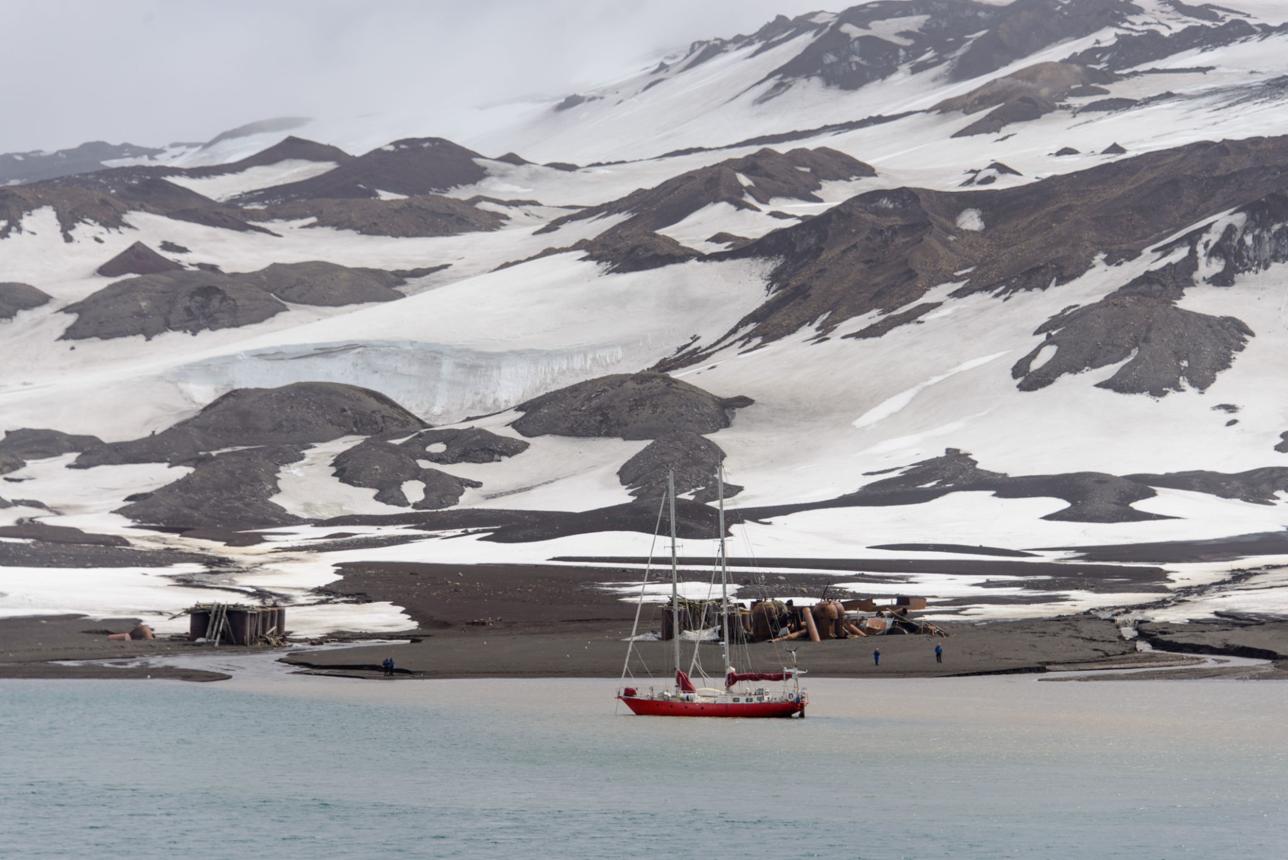
2. Alternative scenes are growing
classic yachts
adventure sailing
expedition formats
3. Double-handed racing is expanding access
Even with its drawbacks, it is:
bringing people in
modernising participation
The real diagnosis
This is the core issue:
The pathway is broken.
Not interest. Not passion. Not even participation in absolute terms.
But progression.
Three possible futures
1. The elite drift
Offshore racing becomes:
professional
sponsor-led
detached
2. The fragmented landscape
double-handed dominates
niche scenes expand
no unified system
3. The rebuild (the only sustainable outcome)
rebuild crew pathways
support owner-drivers
create flexible formats
integrate technology with seamanship
What needs to happen (practical)
Paid crew berths
Structured offshore training pathways
Shorter offshore race formats
Proper Corinthian divisions
Seamanship training without reliance on tech
Why offshore racing still matters
Because it does something almost nothing else does anymore.
It removes:
safety nets
abstraction
comfort
And replaces them with:
consequence
responsibility
clarity
In a world increasingly artificial—
offshore racing remains real.
Let’s talk about this?
If you’ve experienced this shift — as owner, crew, or organiser — I’d value your perspective.
Because the next phase of offshore racing will be shaped by those still paying attention.


Comments